What If Harry’s Sectumsempra Killed Draco Malfoy ?
The Context of the Sectumsempra Spell
What If Harry’s Sectumsempra Killed Draco Malfoy? This intriguing question takes us back to “Harry Potter and the Half-Blood Prince,” where the Sectumsempra spell was first introduced. The spell is notably penned in the margins of an old Potions book that once belonged to someone known as the Half-Blood Prince. This mysterious identity is later revealed to be none other than Severus Snape, a character whose complexity and depth continue to surprise readers.
Sectumsempra was concocted as a defensive spell, designed to fend off enemies with severe consequences. It’s a spell that, when cast, causes deep, slashing wounds, as if the victim had been slashed by an invisible sword. Snape, in his youth, crafted this spell presumably to protect himself from the bullies he encountered during his school days. It highlights Snape’s ingenuity and the darker aspects of his personality.
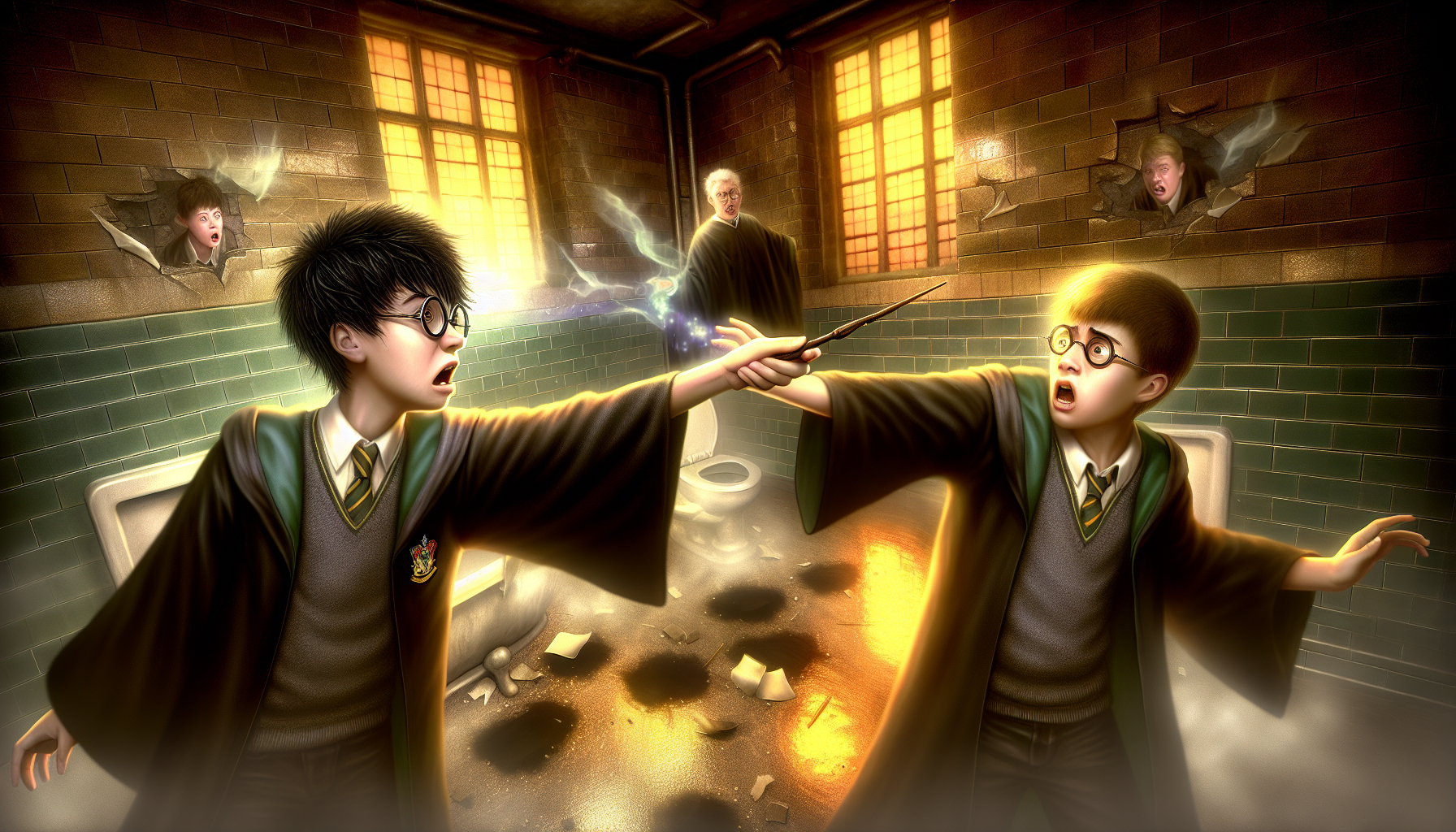
The first time Harry uses Sectumsempra is during a heated duel against Draco Malfoy in a bathroom at Hogwarts. Unaware of the spell’s true power, Harry casts it in a desperate attempt to defend himself. The result is horrifying, leaving Draco bleeding profusely and fighting for his life. It is only with Snape’s intervention that Draco is saved from the brink of death. This incident marks a pivotal moment in the series, showcasing Harry’s vulnerability and the dangers inherent in wielding magic without full understanding.
Harry’s lack of knowledge about Sectumsempra’s destructive power underscores a recurring theme in the series: the importance of understanding one’s actions and the consequences that follow. This duel not only serves as a plot device but also as a cautionary tale about the reckless use of magic.
Immediate Consequences of Draco’s Death
Had Draco succumbed to the spell’s effects, the immediate aftermath would have been shrouded in remorse and guilt for Harry. Known for his inherent sense of justice and empathy, Harry would likely be haunted by the realization that his actions led to a peer’s death. This guilt would weigh heavily on his conscience, potentially altering his path and decisions moving forward.
The repercussions within Hogwarts would be profound and swift. A student’s death would spark immediate disciplinary actions, not only involving Harry but potentially leading to an overhaul of safety measures and protocols within the school. The faculty would be thrust into a crisis, struggling to maintain order and address the grief and anger among the student body, especially within Slytherin House.
Draco’s absence would create a significant void within Slytherin, affecting its dynamics and spirit. As a prominent figure, his role in House activities and his influence on his peers would leave a noticeable gap. The Slytherins, already viewed with suspicion due to their perceived ties to dark magic, would likely face increased scrutiny and prejudice.
Dumbledore, always a strategic thinker, would need to reassess his plans involving Harry and Voldemort. Draco’s death might force him to adapt his intricate web of strategies to ensure Harry’s safety and the ultimate defeat of Voldemort. It could also lead to increased urgency in his efforts to prepare Harry for the inevitable showdown.
The Ministry of Magic would undoubtedly get involved, launching investigations to determine the circumstances of Draco’s death. This scrutiny could result in political ramifications, further complicating the already tense relationship between the Ministry and Hogwarts. Public perception of Hogwarts as a safe haven would be severely damaged, leading to calls for stricter oversight and potential reforms.
The Long-Term Impact on the Wizarding World
In the grand tapestry of the Wizarding World, Draco’s death would resonate far beyond the walls of Hogwarts. The Malfoy family, long-standing members of the Wizarding aristocracy, would see their influence and power wane. Known for their wealth and political connections, the loss of their heir would weaken their standing and potentially alter their alliances.
Within the ranks of the Death Eaters, Draco’s absence would shift the balance of power. As a reluctant participant in Voldemort’s ranks, Draco’s death might embolden or demoralize those who share his hesitance. It could lead to power struggles and shifts in loyalty, destabilizing the cohesion of Voldemort’s followers.
The relationships between Harry, Snape, and the Malfoys would undergo significant changes. Snape, who saved Draco, might struggle with his own feelings of failure and responsibility. His relationship with Harry, already fraught with tension, could evolve into something more complex, united by shared grief or divided by blame.
Voldemort, ever the strategist, might perceive Draco’s death as a blow to his plans. His approach towards Harry could become more aggressive, seeking to capitalize on Harry’s potential guilt and vulnerability. Alternatively, he might see an opportunity to exploit the Malfoys’ weakened state to further consolidate his power.
The prophecy, which foretold that neither Harry nor Voldemort could live while the other survives, might be interpreted differently in light of Draco’s death. Harry’s role in the impending war could be redefined, as the boundaries between prophecy and free will become increasingly blurred.
Character Development and Relationships
This tragic turn of events would indelibly alter Harry’s character and mental state. Grappling with the burden of having caused a peer’s death, Harry might become more introspective and cautious. This experience could mature him, imbuing him with a deeper understanding of the weight of his responsibilities.
For Hermione and Ron, witnessing Harry’s turmoil would affect their perception of him and their friendship dynamics. They could become protective, rallying around him to offer support, or they might struggle with their own feelings of fear and uncertainty in the face of such a profound event.
Snape’s relationship with Harry, already steeped in complexity, might shift significantly. Bound by the shared knowledge of Sectumsempra’s consequences, Snape might find a reluctant ally in Harry. Alternatively, their relationship could sour further if blame and resentment take root.
The divide between Gryffindor and Slytherin students would likely widen, fueled by mutual distrust and accusations. This rift could hinder any attempts at unification within Hogwarts, exacerbating existing tensions and making the school a hotbed of conflict.
Within the Malfoy family, Draco’s death might ignite a quest for redemption or deepen existing animosities. Lucius and Narcissa Malfoy, grappling with their grief, might seek to distance themselves from Voldemort’s influences, or they might be consumed by a desire for revenge against those they hold responsible.
Lessons and Themes Explored
The hypothetical scenario of Draco’s death through Sectumsempra provides a fertile ground for exploring themes of forgiveness and the burden of guilt. Harry’s journey would underscore the importance of owning one’s actions and seeking forgiveness, both from oneself and others.
Unintended consequences of actions are a recurring theme in the Wizarding World. Draco’s death would serve as a stark reminder of how even well-intentioned actions can lead to disastrous outcomes, urging characters to consider the ramifications of their choices more carefully.
The moral complexity of using powerful magic is a central theme, challenging characters to navigate the blurry lines between right and wrong. Harry’s experience with Sectumsempra would highlight the need for restraint and responsibility when wielding such potent spells.
Choices define characters in the Wizarding World, shaping their paths and destinies. Draco’s death would force characters to confront their past decisions and the roles they play in the larger narrative, prompting introspection and growth.
Finally, the concept of redemption and the possibility of change would be explored through the Malfoy family’s response to their loss. This theme reinforces the idea that even in the darkest of times, there is potential for transformation and hope.