Why The Death Eaters Accepted Voldemort As A Half-Blood

The Nature of the Death Eaters
Why The Death Eaters Accepted Voldemort As A Half-Blood is a question steeped in the dark allure of power and ideology. The Death Eaters, a group shrouded in mystery and fear, were driven by an ideology rooted in pure-blood supremacy. This belief was not just a personal preference but a dogma that defined their every action and decision. The Death Eaters were dedicated to purging the wizarding world of those they deemed impure, aligning themselves with the ideals of blood purity above all else.
The allegiance to pure-blood supremacy was more than just a shared belief; it was a rallying cry for those who felt their status was threatened by the growing acceptance of Muggle-borns and half-bloods in the wizarding world. This belief system was deeply ingrained, often passed down through generations of wizards who prided themselves on their pure magical lineage. The Death Eaters saw themselves as the protectors of an ancient and noble tradition, fighting to preserve the sanctity of their world from what they perceived as an encroaching threat.
Within the Death Eater hierarchy, power and fear played central roles. Loyalty was maintained through a careful balance of respect and terror. Voldemort, as their leader, wielded these tools with precision, instilling fear in those who followed him while simultaneously drawing them in with promises of power and prestige. The Death Eaters knew that defying him meant certain death, but loyalty promised them a place of honor in his new order.
Blind faith in Voldemort’s leadership was a hallmark of the Death Eaters’ ethos. They believed in him not just as a leader, but as a symbol of their cause. His charisma and magical prowess inspired a devotion that bordered on fanaticism. For many Death Eaters, their loyalty was not to the ideology itself, but to Voldemort as its embodiment. His vision for a world dominated by pure-blood wizards was their guiding star, and they followed him with unyielding devotion.
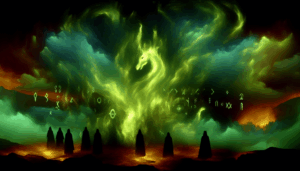
The dark and secretive rituals that marked the Death Eaters’ gatherings were not just acts of loyalty but symbols of their commitment to a cause greater than themselves. These rituals, often involving dark magic and oaths of allegiance, served to bind the group together, creating a sense of unity and shared purpose. The secrecy and exclusivity of these rituals only added to their allure, drawing new followers into the fold with the promise of belonging to something powerful and forbidden.
Voldemort’s Charismatic Leadership
Voldemort’s ability to persuade and influence his followers was unparalleled in the wizarding world. He possessed a charisma that could turn even the most skeptical witches and wizards into devoted followers. His words were carefully chosen, his promises enticing, and his vision vivid enough to inspire those who were lost or disillusioned with the current state of affairs in the wizarding world. He offered a sense of purpose, a chance to be part of something greater than oneself.
Fear was a tool Voldemort used with strategic precision. He understood that to command loyalty, he needed to instill fear not only of himself but of the consequences of failure. His followers knew that betrayal or failure would be met with severe punishment, often death. This fear kept them loyal, ensuring that any doubts or hesitations were quickly quashed under the weight of potential repercussions.
Voldemort enticed his followers with promises of power and status. For many Death Eaters, joining his ranks was an opportunity to gain influence and prestige they could not achieve on their own. Voldemort’s promise of a new world order, where pure-bloods would reign supreme, was an alluring prospect for those who felt marginalized or overshadowed in the current structure of the wizarding society.
His manipulation of the Death Eaters’ desires and insecurities was masterful. He understood what his followers wanted and feared, using this knowledge to bend them to his will. By playing on their insecurities about blood purity and their desires for recognition and power, Voldemort secured their undying loyalty. His ability to perceive their deepest fears and desires made him seem almost omniscient, further elevating his status in their eyes.
At the core of Voldemort’s vision was a new world order that appealed to the pure-blood ideals held by many of his followers. He painted a picture of a future where pure-bloods would no longer have to hide or apologize for their views and where their superiority would be recognized and celebrated. This vision resonated deeply with those who felt their values were under threat, drawing them ever closer to his cause.
Voldemort’s Half-Blood Background
The revelation of Voldemort’s half-blood status was a significant point of contention in the wizarding world. In a society that placed such a high value on blood purity, his mixed heritage was a potential weakness. However, Voldemort’s charisma and magical prowess allowed him to transcend these limitations, presenting himself as a leader worth following despite his background.
Voldemort’s rejection of his Muggle heritage was complete and absolute. From a young age, he distanced himself from his Muggle roots, choosing instead to embrace his magical lineage. This rejection was not just personal; it was a strategic move to align himself with the pure-blood ideals he so fervently preached. By denying his Muggle background, Voldemort crafted an identity that was more palatable to his followers.
He was adept at concealing and downplaying his origins, using his magical abilities to overshadow any doubts about his blood status. His followers were often too enraptured by his power and vision to question his background. For them, Voldemort’s magical prowess was proof enough of his worthiness as a leader, overshadowing any concerns about his lineage.
The impact of his lineage revelation on the Death Eaters was nuanced. While some may have initially questioned his legitimacy, the fear and respect he commanded quickly silenced any dissent. His ability to lead and inspire confidence in his vision outweighed the significance of his blood status, solidifying his position at the head of the Death Eater hierarchy.
Strategic Alliances and Pure-Blood Compromise
Voldemort’s strategic alliances were crucial in bolstering his power. By aligning himself with influential pure-blood families, he was able to solidify his position and expand his influence. These alliances were not always based on mutual respect, often relying on fear and coercion to maintain loyalty. However, they were instrumental in establishing the Death Eaters as a formidable force.
The Death Eaters adopted a pragmatic approach to leadership, recognizing that pure-blood ideals alone were not enough to secure their goals. They needed a leader who could command respect and instill fear in equal measure. Voldemort’s magical capabilities justified his acceptance among their ranks, allowing them to overlook his half-blood status in favor of his undeniable power.
For many Death Eaters, the decision to follow Voldemort was driven by a combination of fear and survival. They understood that in the new world order he promised, their survival depended on aligning themselves with his cause. The tangible benefits of his leadership, including access to power and influence, further incentivized their loyalty.
Voldemort promised his followers tangible benefits, appealing to their ambitions and desire for recognition. By offering them a place in his new order, he ensured their continued support and commitment to his cause. These promises of power and prestige were often enough to overshadow any doubts about his true heritage.
The Role of Propaganda and Indoctrination
Propaganda played a critical role in maintaining the loyalty of the Death Eaters. Through a steady stream of misinformation and fear tactics, Voldemort was able to control the narrative and solidify his position as a near-mythical leader. His portrayal as a powerful and infallible figure was crucial in maintaining the unwavering support of his followers.
Indoctrination and control were achieved through various methods, including isolation from differing ideologies and the suppression of dissent. By keeping his followers insulated from opposing viewpoints, Voldemort ensured that his vision was the only one they knew. This control was further reinforced through fear tactics, with any signs of rebellion swiftly and severely punished.
The impact of fear tactics and misinformation was profound. The Death Eaters were constantly reminded of the consequences of disobedience, both through direct actions and through the stories of those who dared to defy Voldemort. This environment of fear and uncertainty kept them loyal, driven by the knowledge that there was no alternative.
Isolation from differing ideologies was a key strategy in Voldemort’s control over his followers. By creating an echo chamber where only his ideas were heard, he was able to maintain the illusion of his invincibility and ensure that his followers remained committed to his cause.
Voldemort’s portrayal as a near-mythical leader was central to his propaganda efforts. He was depicted as a powerful and enigmatic figure, capable of achieving the impossible. This portrayal not only inspired awe and reverence among his followers but also instilled fear in his enemies, reinforcing his authority and cementing his place as the ultimate leader of the Death Eaters.