Why Grindelwald’s Eyes Are Different Colours
The Mystery Behind Grindelwald’s Heterochromia
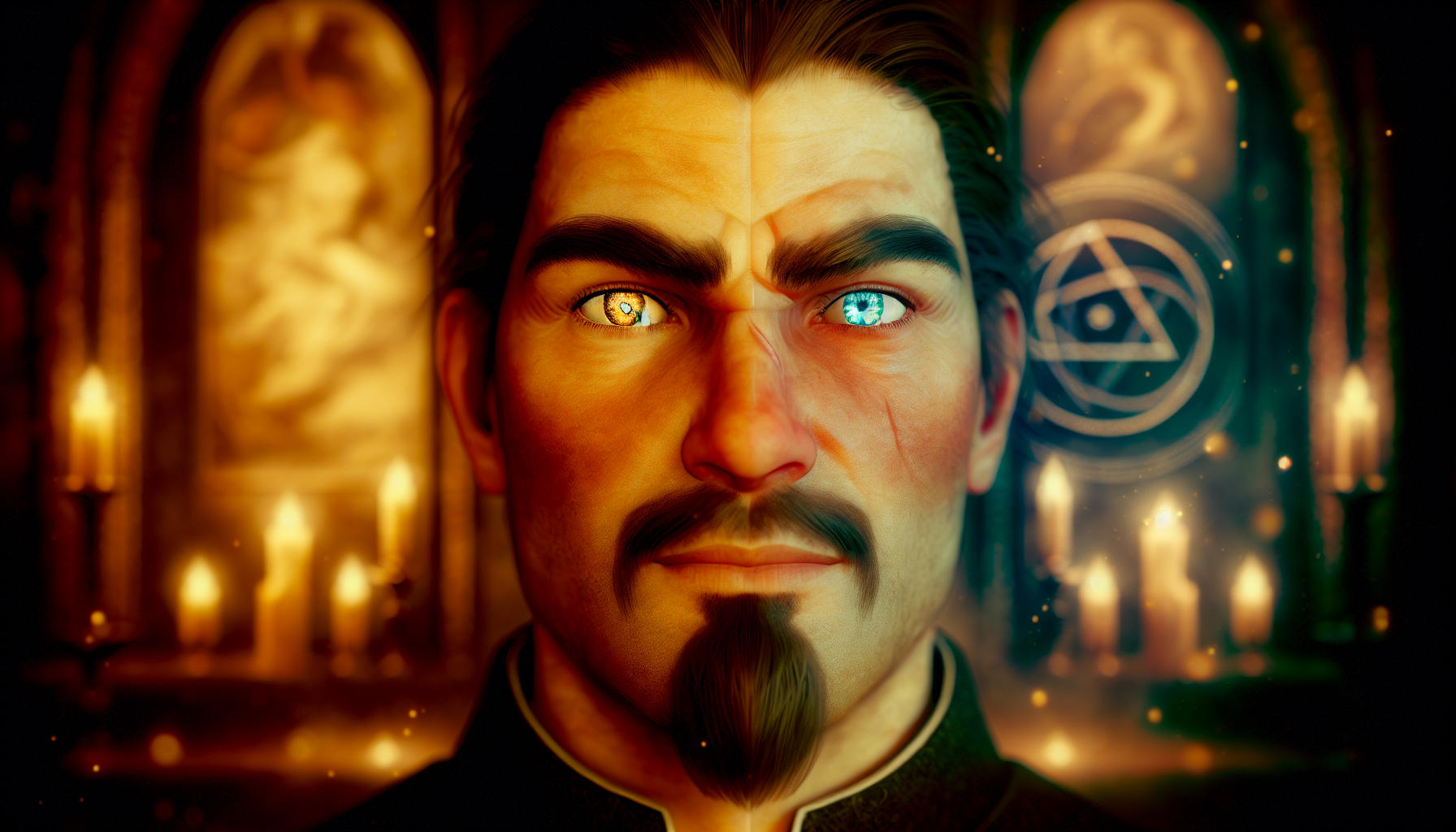
Why Grindelwald’s Eyes Are Different Colours has intrigued fans since his character was introduced in the Wizarding World. Heterochromia, the condition of having two different colored eyes, is a rare phenomenon in the real world, and it is even more fascinating within the context of magic. In humans and animals, heterochromia can manifest in several forms, including complete (one eye a different color from the other), sectoral (a single eye having segments of different colors), and central (variations within the iris). This uniqueness adds a layer of mystique to any character possessing it.
Gellert Grindelwald, a prominent figure in the Wizarding World, is known for his ambition and formidable magical prowess. As a powerful dark wizard, Grindelwald’s character is as complex as it is intimidating. His distinct feature, his different colored eyes, sets him apart not just physically, but symbolically as well. This unique trait is one of the many elements that make him a memorable character in the series.
Grindelwald’s heterochromia is not just a superficial detail; it holds significant weight in the narrative. It symbolizes his multifaceted nature and serves as a visual metaphor for the duality that exists within him. In literature, physical anomalies often reflect deeper character traits or story themes, and Grindelwald’s eyes are no exception. They suggest the conflict and contradictions that reside within him, enhancing his enigmatic allure.
This trait contributes significantly to the mystique and allure of Grindelwald. Characters with unique physical features often capture the audience’s imagination, inviting speculation and deeper engagement with their stories. Grindelwald’s heterochromia is a perfect embodiment of his unpredictable and enigmatic nature, making him all the more compelling as an antagonist.
Symbolism of Dual Colors in Wizarding Culture
Duality is a recurring theme in literature and is rich with symbolic meanings. It signifies the coexistence of opposing forces, such as good and evil, light and dark, or order and chaos. In the context of the Wizarding World, dual colors can reflect the internal conflicts or dual nature of a character. This symbolism is particularly relevant when analyzing why Grindelwald’s eyes are different colors.
Color differences, such as heterochromia, can be indicative of inner turmoil or a character’s split personality. In Grindelwald’s case, his eyes may represent the constant battle between his innate charisma and his ruthless ambition. This dichotomy is a defining aspect of his character, making him both captivating and terrifying.
Within the Wizarding World, eye color symbolism has appeared in various forms. For instance, Albus Dumbledore’s piercing blue eyes are often associated with his wisdom and insight, while Voldemort’s red eyes evoke fear and malice. Grindelwald’s mismatched eyes add to this tradition by emphasizing the multifaceted nature of his persona.
The deeper meaning of Grindelwald’s eye colors in relation to his character is multifaceted. On one hand, they can be seen as a visual representation of his ability to manipulate and deceive. On the other, they may symbolize his struggle between his vision for a new wizarding world order and the moral implications of his actions. This duality is crucial to understanding his motivations and the impact he has on the story’s themes.
The connection to themes of light versus dark, right versus wrong, is evident in the portrayal of Grindelwald. His heterochromia symbolizes the fine line he walks between these opposing forces. This characteristic enhances the depth of his interactions with other characters, as it mirrors the broader conflicts within the narrative.
Magical Explanations for Heterochromia
In a world where magic intertwines with reality, there are numerous possible explanations for eye color changes. Heterochromia in the Wizarding World may not merely be a genetic anomaly, but the result of magical influences. Spells or magical accidents are potential causes for such physical traits, adding a layer of intrigue to Grindelwald’s appearance.
Theories abound about how spells could lead to heterochromia. Perhaps a powerful spell gone awry or an experimental enchantment altered Grindelwald’s eyes. Alternatively, a magical accident during his formative years might have resulted in this unique trait, hinting at a deeper backstory waiting to be uncovered.
Magical creatures or artifacts can also impact physical traits in the Wizarding World. For instance, exposure to certain magical creatures known for their transformative abilities, such as the chameleon-like Demiguise, might account for Grindelwald’s eye color difference. Artifacts imbued with ancient magic may bear similar effects, further expanding the realm of possibilities.
There is also speculation on whether Grindelwald’s eye color serves a magical purpose. Could his heterochromia be a manifestation of a magical ability, like heightened perception or a unique connection to certain spells? While this remains unexplored in the canon, it adds to the allure of his character and invites creative interpretations.
Other characters in the Wizarding World also exhibit unique physical features due to magic. Mad-Eye Moody, with his magical eye, is a prime example. These traits often serve as narrative devices, emphasizing the extraordinary nature of the characters and their stories. Grindelwald’s eyes fit seamlessly into this tradition, reinforcing his status as a complex and fascinating figure.
Cinematic Portrayal and Creative Choices
In the film adaptations, the decision to highlight Grindelwald’s eyes was a deliberate one. The filmmakers sought to capture the essence of his character by emphasizing this unique feature. By doing so, they not only stayed true to the source material but also enhanced the visual storytelling of his enigmatic persona.
The role of makeup and special effects in achieving the look of Grindelwald’s heterochromia was significant. Through a combination of contact lenses and digital enhancements, the filmmakers brought this striking feature to life. This meticulous attention to detail demonstrates the importance of visual elements in conveying character traits and themes.
Interviews or quotes from the creative team behind the character design shed light on their motivations. They often mention the desire to visually represent Grindelwald’s complex nature and the symbolic significance of his eyes. Such insights provide fans with a deeper understanding of the creative process and the thought that goes into character portrayal.
Audience reactions to Grindelwald’s heterochromia in the films have been overwhelmingly positive. Viewers appreciate how this feature adds depth to his character and enhances the storytelling. The visual impact of his mismatched eyes serves to captivate and intrigue, leaving a lasting impression on audiences worldwide.
How these creative choices influence the viewer’s perception of Grindelwald cannot be underestimated. His heterochromia serves as a visual reminder of his multifaceted nature and the dualities that define him. By bringing this aspect of his character to the forefront, the filmmakers effectively engage audiences in the complexities of his story.
The Legacy of Grindelwald’s Unique Appearance
Grindelwald’s character, with his distinct eyes, has left a significant cultural impact. His unique appearance has become iconic within the Harry Potter fan community, inspiring countless interpretations and discussions. Merchandise and fan art often highlight his heterochromia, further cementing its place in the visual lexicon of the series.
Discussions on forums and fan theories about the eyes’ significance abound. Fans speculate on the deeper meanings behind his heterochromia, exploring its symbolic implications and potential magical origins. These conversations enrich the fandom and foster a deeper appreciation for the character and his story.
The lasting impression of Grindelwald’s eyes in the Harry Potter fan community is a testament to the power of visual storytelling. His heterochromia has become a defining characteristic, one that resonates with audiences and elevates his status as a complex and intriguing figure in the Wizarding World.
How this characteristic enhances the depth and mystery of his legacy cannot be overstated. Grindelwald’s eyes serve as a symbol of his dual nature and the enigmatic qualities that make him a compelling antagonist. By embracing this unique feature, the story invites audiences to delve deeper into the themes of conflict, morality, and the nature of power.