The Saddest Harry Potter Theory You’Ll Ever Hear
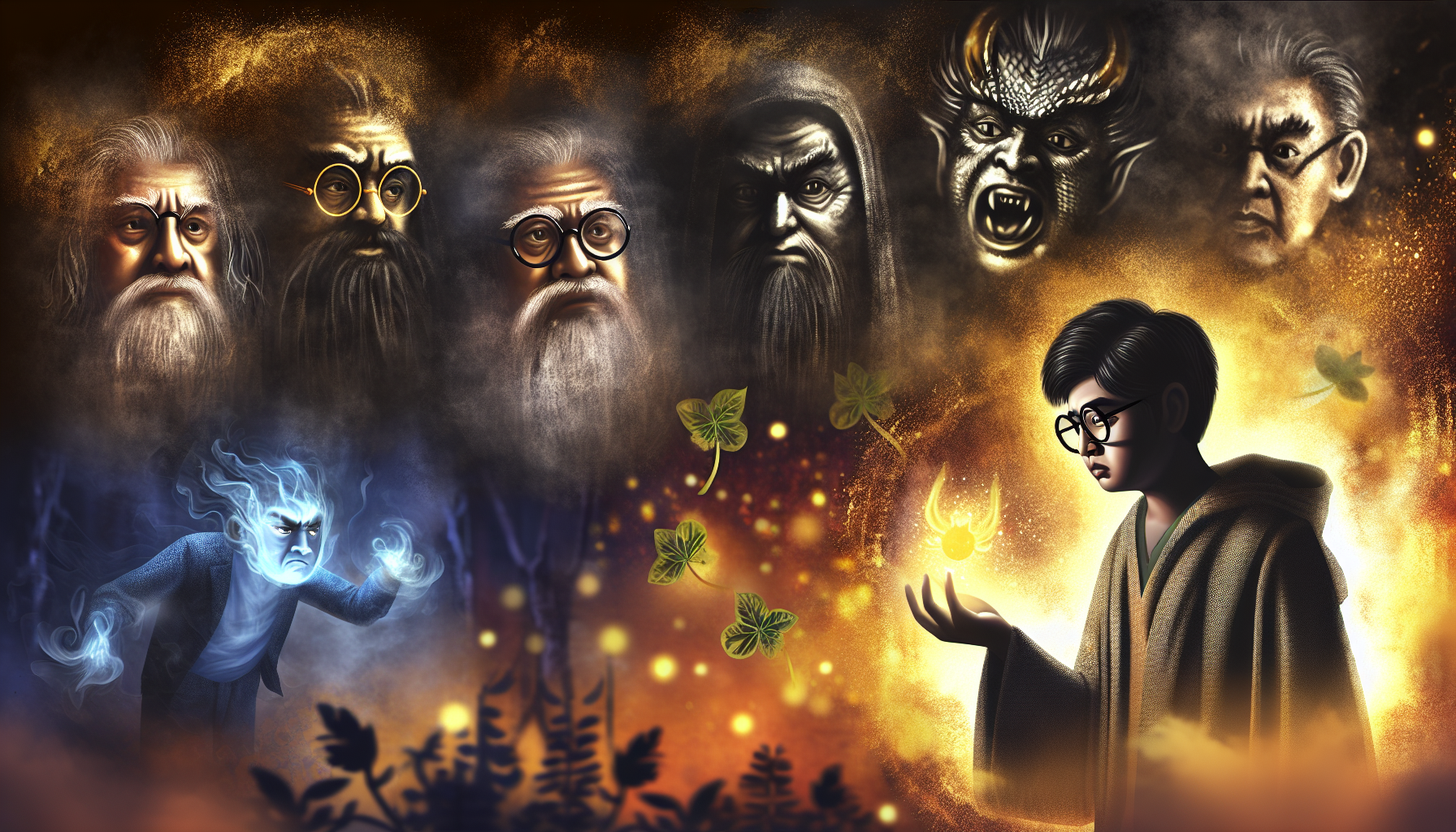
The Dursleys’ Genuine Fear of Harry
The Saddest Harry Potter Theory You’ll Ever Hear is rooted in the complexities of characters who, on the surface, may seem purely antagonistic. Take the Dursleys, for instance. Their harsh treatment of Harry was not just cruelty for cruelty’s sake. It was a defense mechanism, a way to shield themselves from the unknown. Living in the mundane world of Little Whinging, Surrey, the Dursleys had no understanding of the magical world. Their fear of the unknown, of Harry’s connection to a world they couldn’t control or comprehend, manifested as hostility.
Vernon and Petunia Dursley’s fear stemmed from a profound lack of understanding. Magic, to them, was unnatural and chaotic. They were staunchly rooted in their normal, predictable lives, and Harry represented a threat to that stasis. This fear is a classic case of prejudice—fear of what they didn’t know, turning into a refusal to accept Harry for who he truly was.
Prejudice and ignorance go hand in hand, and the Dursleys’ behavior is a reflection of this. Their refusal to even say the word ‘magic’ loudly speaks volumes about their deep-seated fear and prejudice against anything that defied their understanding. This behavior, while inexcusable, is a powerful commentary on how fear can lead to ignorance and, ultimately, to prejudice.
Petunia Dursley’s hidden resentment adds another layer to their fear. Her jealousy towards her sister, Lily, was not just about Lily’s magical abilities but also about the attention Lily received from their parents. Petunia’s bitterness turned into a hidden resentment, and Harry became the target of that deep-seated jealousy. Harry was a living reminder of what Petunia could never be, thus fueling her harshness towards him.
Snape’s Enduring Heartbreak
Severus Snape’s story is one of the most poignant examples of unrequited love in the series. His enduring love for Lily Potter was tragic in its intensity and constancy. Despite knowing that Lily had chosen James Potter, Snape’s love for her never wavered. This unrequited love was at the core of his complex character and influenced every decision he made.
Snape’s relationship with Harry was undeniably complicated. Harry was the son of the woman he loved and the man he despised. This duality created an emotional conflict within Snape, manifesting as disdain towards Harry while secretly protecting him. He saw in Harry both the features of Lily, whom he adored, and James, whom he loathed. This complex dynamic shaped Snape’s actions throughout the series.
Heartbreak influenced Snape’s every decision. His allegiance to Dumbledore, his actions during the war, and his ultimate sacrifice were all driven by love—love for Lily. This heartbreak, while personal, had far-reaching implications. It was Snape’s love and subsequent heartbreak that kept Harry safe and ultimately played a crucial role in Voldemort’s downfall.
Love’s enduring impact is a recurring theme in the series. Snape’s story is a testament to how love, even when unrequited, can shape a person’s life. His heartbreak was both his weakness and his strength, driving him to protect the son of the woman he loved from the shadows.
Dobby’s Unspoken Sacrifice
Dobby the house-elf is one of the most beloved characters in the Harry Potter series, and his story is a powerful narrative of freedom and sacrifice. His liberation from the Malfoys marked a significant turning point in his life. Once freed, Dobby’s devotion to Harry Potter became unwavering, driven by gratitude and admiration.
Dobby’s ultimate sacrifice—giving his life to save Harry and his friends—was an act of profound bravery. This heroic act was not just a personal sacrifice but a testament to the deep loyalty and courage inherent in his character. For Dobby, protecting Harry was a purpose greater than his own life, reflecting the themes of loyalty and selflessness.
The themes of loyalty and bravery resonate throughout Dobby’s actions. Despite the oppression he faced as a house-elf, Dobby consistently chose the path of bravery, standing up for what he believed was right. His loyalty to Harry was absolute, and his actions spoke volumes about the courage that can exist even in the smallest of beings.
Dobby’s story also highlights the plight of house-elves in the wizarding world. His longing for freedom and the courage he displayed in pursuit of it shine a light on the broader issue of house-elf rights. Through Dobby, the series explores the themes of freedom, equality, and the importance of fighting for one’s beliefs.
The Tragedy of Tom Riddle
Tom Riddle’s transformation into Lord Voldemort is a tragic tale of lost potential and identity. Born into a loveless environment, Tom’s early experiences shaped his worldview and set him on a path of darkness. His inability to comprehend or reciprocate love led to his eventual downfall.
The impact of a loveless upbringing on Tom’s identity cannot be understated. His need for control and power stemmed from a deep-seated fear of vulnerability and a lack of self-worth. Without love, Tom Riddle became consumed by a desire for immortality and dominance, ultimately leading to his transformation into Voldemort.
The loss of his true self was at the core of Voldemort’s downfall. In his quest for power, he sacrificed his humanity, leading to a fractured soul and an inability to experience the very emotions that make us human. This loss was both his greatest strength and his ultimate weakness.
Voldemort’s story is a reflection on the tragic consequences of seeking power over love. His inability to understand or value love prevented him from seeing its true power. This blindness to love’s strength was his undoing, and serves as a poignant reminder of what can be lost when power is valued above all else.
The Tale of the Three Brothers’ Hidden Meaning
The Tale of the Three Brothers, as recounted in “The Tales of Beedle the Bard,” is rich with moral lessons. Each brother’s choice reflects a different aspect of human nature—desire for power, longing for the past, and acceptance of mortality. These choices provide a narrative on the folly of man and the wisdom in embracing life’s natural course.
The story’s moral lessons are woven into the fabric of the series. The eldest brother’s quest for power leads to his demise, reflecting the destructive nature of greed. The second brother’s longing for lost love results in despair, highlighting the dangers of living in the past. The youngest brother’s acceptance of mortality, however, brings him peace, illustrating the importance of humility and wisdom.
Accepting mortality is a significant theme in the series, and the tale underscores its importance. The youngest brother’s choice to greet Death as an old friend speaks to the serenity that comes with accepting life’s natural end. This acceptance is a lesson in humility, teaching the value of living life fully and without fear.
The connection between the tale and Harry’s journey is profound. Like the youngest brother, Harry learns to embrace his mortality, understanding that love is a force more powerful than any magic. This acceptance enables him to face Voldemort and ultimately triumph, underscoring the series’ central theme of love’s enduring power over darkness.