The 10 Most Powerful Wands In Harry Potter
The Importance of Wands in the Wizarding World
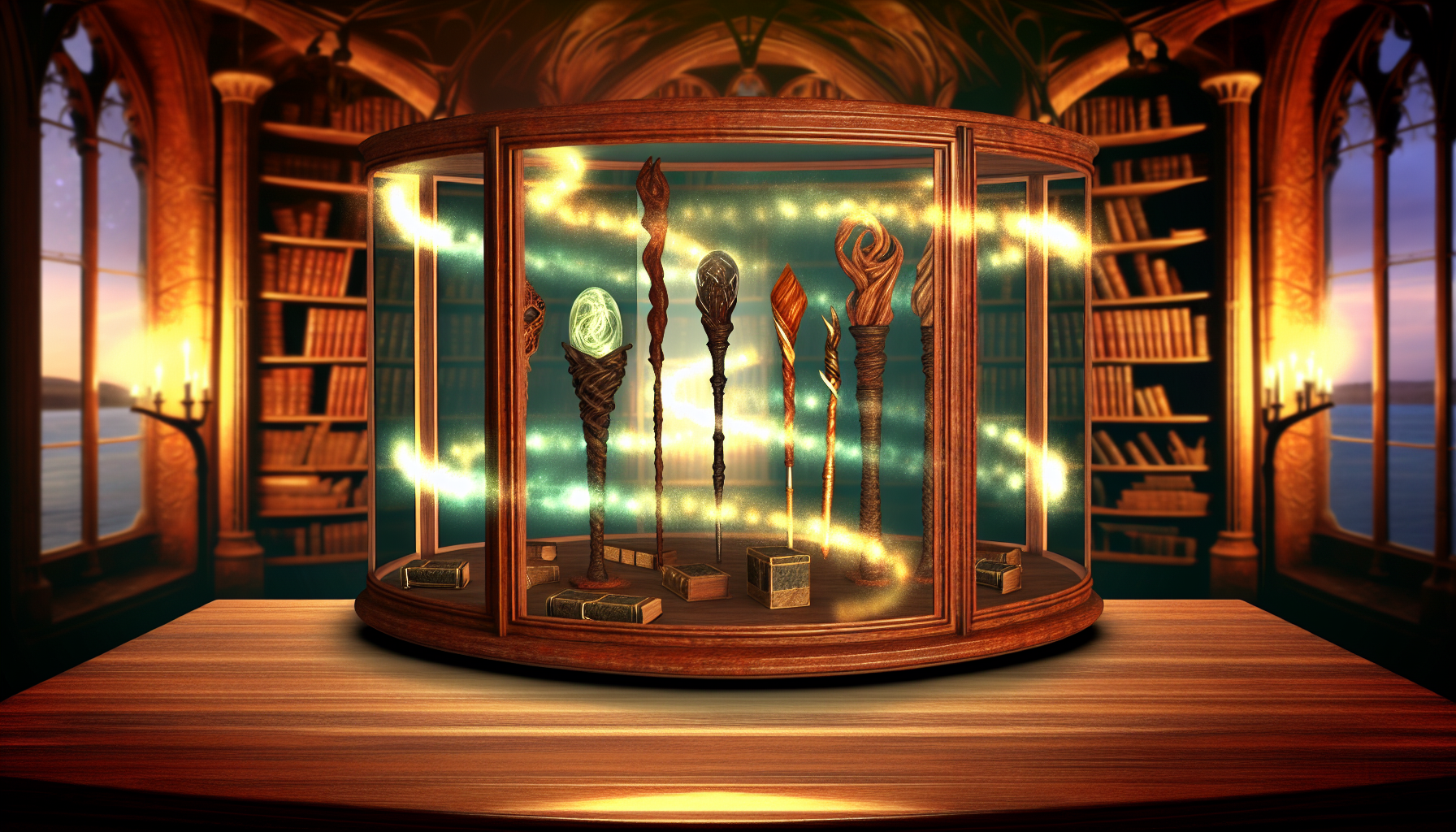
The 10 Most Powerful Wands In Harry Potter are not just magical tools but deeply integral to a wizard’s identity and capabilities. In the Wizarding World, wands act as extensions of a wizard’s own power. They allow witches and wizards to channel their magical energy with precision and strength. Without a wand, many spells would be impossible or too dangerous to attempt. This bond between wizard and wand is both intimate and essential.
One of the most fascinating aspects of wands is that the wand chooses the wizard. This selection process emphasizes the significance and meaning behind each wizard’s wand. The choice is influenced by the magical qualities of the individual and the wand’s own character, creating a unique symbiotic relationship. Ollivander, the famed wandmaker, often notes that a perfect match between wand and wizard enhances the capability of both.
The materials used in wand-making significantly impact its characteristics. The wood and core define its magical attributes and personality. For instance, holly wood is known for its protective qualities, while phoenix feather cores are rare and capable of the greatest range of magic. Understanding these materials gives insights into why certain wands are more powerful or suited to specific spellcasting.
How wands influence spell casting and magical abilities is a topic of immense curiosity. The wand not only amplifies a wizard’s innate magical abilities but also helps focus and direct the spell’s energy. The type of wood, its length, and the core all contribute to how a wand performs in different magical situations. Thus, a well-matched wand can significantly enhance a wizard’s spellwork.
The Elder Wand: The Most Powerful Wand
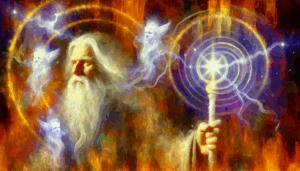
The Elder Wand is shrouded in history and legend, making it one of the most intriguing subjects within the Wizarding World. As a part of the Deathly Hallows, it is known as the most powerful wand ever created. Legend has it that the Elder Wand was originally made by Death himself, granting its possessor unparalleled power.
Key characteristics of the Elder Wand include its core material, which is made from the tail hair of a Thestral, a magical creature that can only be seen by those who have witnessed death. This core material, combined with its elder wood, contributes to its formidable powers and allows it to perform spells that no other wand can match. These attributes make it an object of desire and a source of dangerous power.
Throughout history, many notable wizards have wielded the Elder Wand. Among them are Antioch Peverell, the original owner, and more recently, Albus Dumbledore and Gellert Grindelwald. Each wielder has used its power in different ways, either for great good or evil, highlighting the wand’s potential to change the course of history.
The Elder Wand’s role in pivotal battles is well documented, particularly in the final confrontation between Harry Potter and Voldemort. Its power was evident in the way it responded to its true master, changing allegiance after being won in a duel, a fact that ultimately led to Voldemort’s downfall.
The Elder Wand’s ultimate fate is sealed in the decision made by Harry Potter to return it to Dumbledore’s tomb. This act ensured that the wand’s power would not fall into the wrong hands again, a fitting end for an object of such legendary might.
Voldemort’s Yew and Phoenix Feather Wand
The significance of yew wood in wand-lore cannot be overstated, especially when considering the wand of Lord Voldemort. Yew is known for its association with death and rebirth, reflecting Voldemort’s own obsession with immortality and his dark nature. This sinister connection is enhanced by the wand’s core, a phoenix feather, shared only with Harry Potter’s wand.
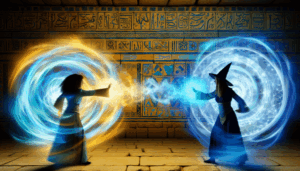
The connection to Harry’s wand through the shared core is a crucial element in the story. The phoenix feather comes from Fawkes, Dumbledore’s loyal companion. This shared core creates a unique bond between the two wands, causing them to react unpredictably when forced to duel against each other, as seen in the dramatic Priori Incantatem effect during the battle at the graveyard.
Key moments and duels involving Voldemort’s wand demonstrate its fearsome power. It was used in countless acts of dark magic, including the murder of Harry’s parents and many others. The wand’s allegiance to its master was absolute, amplifying Voldemort’s already formidable magical abilities.
The wand’s downfall and replacement came when it no longer performed as Voldemort desired, due to its loyalty to Harry’s wand. This prompted Voldemort to seek the Elder Wand, believing it would grant him the power to finally defeat Harry. This critical error leads to his eventual defeat.
Harry Potter’s Holly and Phoenix Feather Wand
The importance of holly wood in magical history is noteworthy, particularly in the case of Harry Potter’s wand. Holly is associated with protection and overcoming anger, aligning with Harry’s role as the protector against dark forces. This wood, coupled with the phoenix feather core, makes the wand exceptionally powerful and well-suited for Harry.
The relationship with Voldemort’s wand is one of the most intriguing aspects of Harry’s wand. The shared core creates a profound connection between the two wands, causing them to refuse to destroy one another, a pivotal aspect of their duels. This connection symbolizes the deep link between Harry and Voldemort, highlighting their intertwined destinies.
Notable spells and feats accomplished with this wand include Harry’s incredible Patronus Charm, the defeat of countless Death Eaters, and his survival against numerous dark curses. Its ability to perform under pressure showcases the strength of Harry’s character and the deep bond with his wand.
The wand’s journey and ultimate fate are as remarkable as its history. After breaking in Malfoy Manor, Harry repairs it with the Elder Wand before deciding to return the latter to Dumbledore’s tomb. This decision underscores Harry’s recognition of the wand’s true power lies not in its materials but in the hands of its wielder.
Other Notable Powerful Wands
Dumbledore’s wand and its unique qualities are renowned. Made of elder wood with a Thestral tail hair core, it is none other than the Elder Wand. Dumbledore’s use of it for great good highlights the potential for wands to reflect the intentions of their masters, influencing and shaping the magical world.
Bellatrix Lestrange’s wand and its formidable power were notable during the Battle of the Department of Mysteries. Its walnut wood and dragon heartstring core made it a powerful tool in the hands of a skilled dark witch, contributing to her fearsome reputation.
Hermione Granger’s wand, made of vine wood and possessing a dragon heartstring core, is a testament to her intelligence and skill. Vine wood is associated with seeking greater purpose and wisdom, characteristics that define Hermione’s journey and her pivotal role in the fight against Voldemort.
Snape’s wand, composed of ebony wood, symbolizes his mysterious and complex nature. Ebony, often associated with strength and resilience, complements Snape’s character, aiding him in his double life as a spy and ultimately aiding Harry in his quest to defeat Voldemort.
The significance of wand ownership and allegiance is a recurring theme in the series. A wand’s allegiance can change with ownership, as seen with the Elder Wand. This change can drastically alter a wizard’s capabilities, as the wand’s full potential is only realized when wielded by its true master. Understanding this dynamic is crucial for any wizard seeking to master their magical abilities.