How Many Witches And Wizards Are There On Earth ?
The Magical Population: An Overview
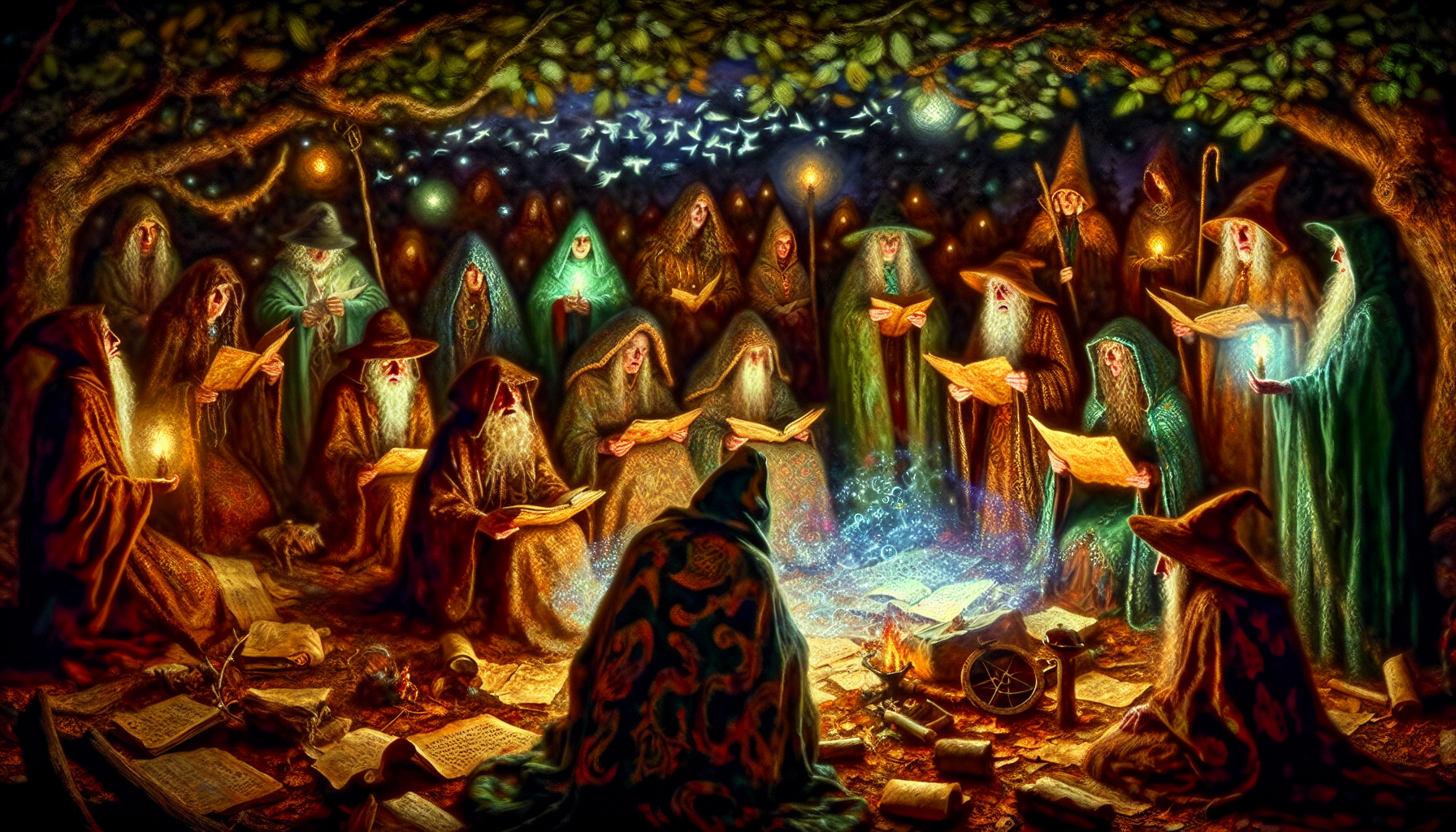
How many witches and wizards are there on Earth? This question often lingers in the minds of those enchanted by the world of magic. Understanding the scale of the Wizarding World is as fascinating as it is complex. The magical community, while hidden from most Muggles, is vast and intricate, with its own societal structures resembling yet diverging from the non-magical world.
At its core, the Wizarding World exists alongside the non-magical population, interwoven yet distinct. The primary differentiation lies in the inherent magical ability that witches and wizards possess. These abilities are often inherited within magical families but can sometimes appear unexpectedly in a Muggle family, a phenomenon known as a Muggle-born witch or wizard.
The significance of magical bloodlines and inheritance cannot be understated. Pure-blood families, those who claim a lineage free from Muggle influence, often hold a certain status within the community. However, this notion is as much a matter of pride as it is a point of contention, especially considering the rich contributions of half-blood and Muggle-born witches and wizards.
Despite its grandeur, magical society remains expertly hidden from Muggles. This invisibility is maintained through complex enchantments and the diligent work of the Ministry of Magic, ensuring that the magical community remains a secret. From enchantments on magical residences to the Obliviator Headquarters, which modifies Muggle memories, secrecy is paramount.
Historical Context of Witch and Wizard Populations
The history of magical demographics is shaped by numerous events that have influenced the population of witches and wizards across the ages. Events such as the Witch Hunts of the late middle ages saw a decline in magical populations, as many witches and wizards either went into hiding or were tragically caught in the fervor against them.
The introduction of the International Statute of Secrecy in 1692 marked a significant turning point for magical populations. This legislation mandated that magical communities worldwide go into hiding from Muggles, drastically affecting how population counts were conducted and recorded. The need for secrecy led to the establishment of hidden magical communities and boarding schools such as Hogwarts and Beauxbatons, where young witches and wizards could learn in safety.
Magical education systems play a crucial role in population awareness. By ensuring that young witches and wizards are educated, they are better integrated into the wizarding community. These institutions, while primarily academic, also serve as centers for cultural and societal assimilation, preserving the magical world’s continuity.
Throughout history, several famous figures have influenced magical demographics. Wizards like Gellert Grindelwald and Lord Voldemort, with their ideologies focused on magical supremacy, directly impacted the population by promoting division and conflict. Conversely, figures like Albus Dumbledore worked tirelessly for unity and acceptance across the magical and non-magical divide.
Estimating the Current Number of Witches and Wizards
Quantifying the magical population presents unique challenges. The nature of magic itself, with its propensity for secrecy and concealment, makes it difficult to obtain accurate numbers. Furthermore, the varying degrees of magical ability, from squibs (non-magical individuals born to magical parents) to Muggle-borns, add layers of complexity to population estimates.
Various magical institutions provide estimates, often based on enrollment numbers from esteemed schools like Hogwarts. These numbers, however, only offer a snapshot, as many witches and wizards choose alternate paths or remain hidden. The Ministry of Magic occasionally conducts a magical census, although its accuracy is often debated within the community.
Regional differences also play a role in magical population density. In Britain, the concentration of magical individuals is higher, thanks in part to the presence of Hogwarts. In contrast, other regions may have smaller, dispersed populations, their magical communities blended more closely with Muggle society.
Factors Influencing Magical Population Growth
Magical laws and regulations greatly affect family size within the wizarding world. The Marriage Law, for instance, introduced by the Ministry to encourage population growth, has been met with mixed reactions. While it aims to prevent the extinction of magical bloodlines, it also raises ethical questions about personal freedom and choice.
Inter-marriages between magical and non-magical people, known as Muggle and wizarding partnerships, have become more common and accepted over time. These unions not only blend cultures but also contribute to the diversity of magical abilities within families, often producing powerful offspring.
The influence of magical careers on family planning cannot be ignored. Many witches and wizards in demanding professions, such as Aurors or Healers, often delay starting families due to the rigors of their work. This trend mirrors that of the Muggle world, where career considerations significantly impact family decisions.
Potions and spells also have a direct impact on population dynamics. Fertility potions, while not widely discussed, exist within the wizarding community and are sometimes used by couples facing challenges in conceiving. Conversely, spells like the Contraceptio Charm offer magical means of family planning.
The Future of the Magical World Population
Predictions for future population growth within the magical world vary. Some experts anticipate a stable increase as barriers between magical and Muggle societies continue to erode, allowing for more inter-marriages and openness. Others fear that continued secrecy and isolation may hinder growth.
Potential threats to the magical population include the resurgence of dark ideologies and the threat of magical pandemics. These could lead to significant declines if not addressed proactively. The battle against such threats requires vigilance and unity within the community.
The impact of modern technology on magical secrecy poses another challenge. The omnipresence of smartphones and the internet makes it increasingly difficult to maintain the anonymity of the magical world. More than ever, the Ministry of Magic must adapt, employing new strategies to keep the wizarding world concealed from Muggle curiosity.
International magical cooperation plays a crucial role in population management. Organizations like the International Confederation of Wizards facilitate dialogue and collaboration across borders, ensuring that policies promote the well-being and growth of the global magical community.
In conclusion, asking “how many witches and wizards are there on Earth?” opens the door to a world of mystery and intricacy. While the exact number remains elusive, the vibrant tapestry of magical life continues to thrive, enchanting those fortunate enough to glimpse its wonders.