Harry Potter And The Mirror Of Erised

Introduction to the Mirror of Erised
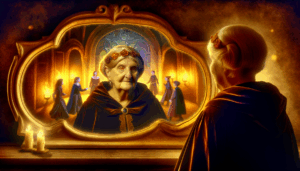
Harry Potter And The Mirror Of Erised hold a special place in the hearts of fans, as it delves deep into the yearnings of the human heart. The Mirror of Erised first appears in “Harry Potter and the Philosopher’s Stone”, situated within the magical confines of Hogwarts School of Witchcraft and Wizardry. It can be found in a remote, unused classroom, tucked away from the prying eyes of students. This ancient and enchanted mirror is among the many mysterious artifacts housed within the castle.
The initial appearance of the Mirror of Erised is both captivating and poignant. It is first encountered by Harry Potter during his first year at Hogwarts. While exploring the castle under the cover of his Invisibility Cloak, Harry stumbles upon this curious artifact. The moment is both enchanting and haunting, setting the stage for a significant turning point in the narrative.
The Mirror of Erised is described as a tall, imposing object, richly adorned with ornate carvings. Its most striking feature is the inscription etched across the top, reading “Erised stra ehru oyt ube cafru oyt on wohsi”. When read backwards, it interprets as “I show not your face but your heart’s desire”. This inscription perfectly encapsulates the mirror’s unique properties, as it reveals the deepest, most fervent desires of the person standing before it.
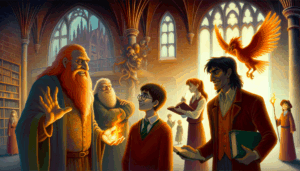
Albus Dumbledore, the wise and benevolent headmaster of Hogwarts, offers Harry a crucial explanation about the mirror’s purpose. He tells Harry that the mirror shows nothing more or less than the deepest desire of our hearts. Dumbledore cautions that many men have wasted away before it, entranced by what they see, yet never fully understanding its truth. This serves as a pivotal lesson for Harry and the readers, illuminating the mirror’s role as both a gift and a peril.
The Mirror’s Significance to Harry
Harry’s first encounter with the Mirror of Erised is a moment of introspection and revelation. Upon gazing into the mirror, Harry is confronted with an astonishing sight: the reflection of his deceased parents standing beside him. This unexpected vision leaves Harry awestruck and overwhelmed with emotion, as he sees himself surrounded by the family he has longed for throughout his life.
The mirror’s reflection reveals Harry’s deepest desire: to belong to a family who loves him. Growing up with the Dursleys, Harry has always felt isolated and unloved. Thus, the mirror’s image of his parents represents not only his yearning for familial connection but also his desire for identity and acceptance within the wizarding world.
For Harry, the Mirror of Erised becomes a portal to a world where he is not alone. The longing for family and connection is a recurring theme throughout the Harry Potter series, and the mirror poignantly captures this aspect of Harry’s character. Each time Harry gazes into the mirror, he is drawn deeper into this dream of belonging.
Through his interactions with the mirror, Harry begins to understand more about himself and his desires. This self-awareness is instrumental in his personal growth and development as a character. The mirror becomes a tool for Harry to explore his own heart, ultimately helping him to confront his past and embrace his future.
Themes and Symbolism
The Mirror of Erised embodies themes of desire and longing that resonate with readers of all ages. In its reflection, it captures the innermost wishes that lie hidden within the heart’s depths. It speaks to the universal human experience of yearning for what is absent in life, whether it be love, success, or fulfillment.
However, the mirror also serves as a cautionary symbol of the danger of living in dreams rather than reality. Dumbledore wisely advises Harry that the mirror gives neither knowledge nor truth, and that it can lead to obsession if one is not careful. This warning underscores the importance of engaging with the present and not becoming trapped by illusions.
Dumbledore’s cautionary advice is central to the mirror’s symbolism. He emphasizes that the happiest man in the world would look into the mirror and see only himself, exactly as he is. This highlights the value of self-contentment and acceptance, a theme that is woven throughout the Harry Potter series.
As a tool for self-reflection, the Mirror of Erised challenges characters and readers alike to confront their own desires. It prompts introspection and encourages a deeper understanding of what truly matters in life. By examining their reflections, individuals can gain insight into their true selves and aspirations.
Other Characters’ Experiences
While Harry’s experience with the Mirror of Erised is deeply personal, other characters also encounter the mirror and reveal their own desires. Ron Weasley, Harry’s loyal friend, sees himself as head boy and captain of the Quidditch team, basking in glory and admiration. This reflects Ron’s longing for recognition and his struggle with feelings of inadequacy compared to his siblings.
Dumbledore claims to see himself holding a pair of thick, woolen socks when he looks into the mirror, a statement he later admits may not be entirely truthful. This enigmatic response leaves readers pondering what Dumbledore truly desires and serves as a reminder that even the wisest among us harbor secret wishes.
Speculations abound regarding what other characters might see in the mirror’s depths. Hermione Granger, with her passion for knowledge and justice, might envision herself achieving academic success or making a significant difference in the world. Severus Snape, a complex character with a troubled past, could see a vision of redemption or rekindled love.
For each character, the mirror’s impact is profound, offering a glimpse into their souls and the struggles they face. The mirror acts as a catalyst for self-discovery, challenging each individual to confront their desires and understand their true selves.
Lessons from the Mirror of Erised
The Mirror of Erised imparts several valuable lessons that resonate beyond the pages of the book. It highlights the importance of self-awareness and acceptance. By understanding and acknowledging their desires, individuals can make conscious choices about how to live their lives.
Recognizing and valuing what is real and tangible is another key lesson from the mirror. It encourages individuals to appreciate the present and the relationships they have, rather than dwelling on what is unattainable. This awareness fosters gratitude and fulfillment in everyday life.
Understanding the potential dangers of obsession is a crucial takeaway from the mirror’s teachings. By avoiding the trap of fixating on unattainable dreams, individuals can lead balanced and meaningful lives. This lesson is particularly relevant in a world where it is easy to become consumed by aspirations and fantasies.
The lessons from the Mirror of Erised can be applied to real-life situations, encouraging readers to reflect on their own desires and motivations. By embracing self-awareness and acceptance, individuals can navigate life’s challenges with wisdom and insight, just as Harry learned to do throughout his journey.