Did Ron Use Avada Kedavra On Nagini In The Deathly Hallows ?
Understanding Avada Kedavra
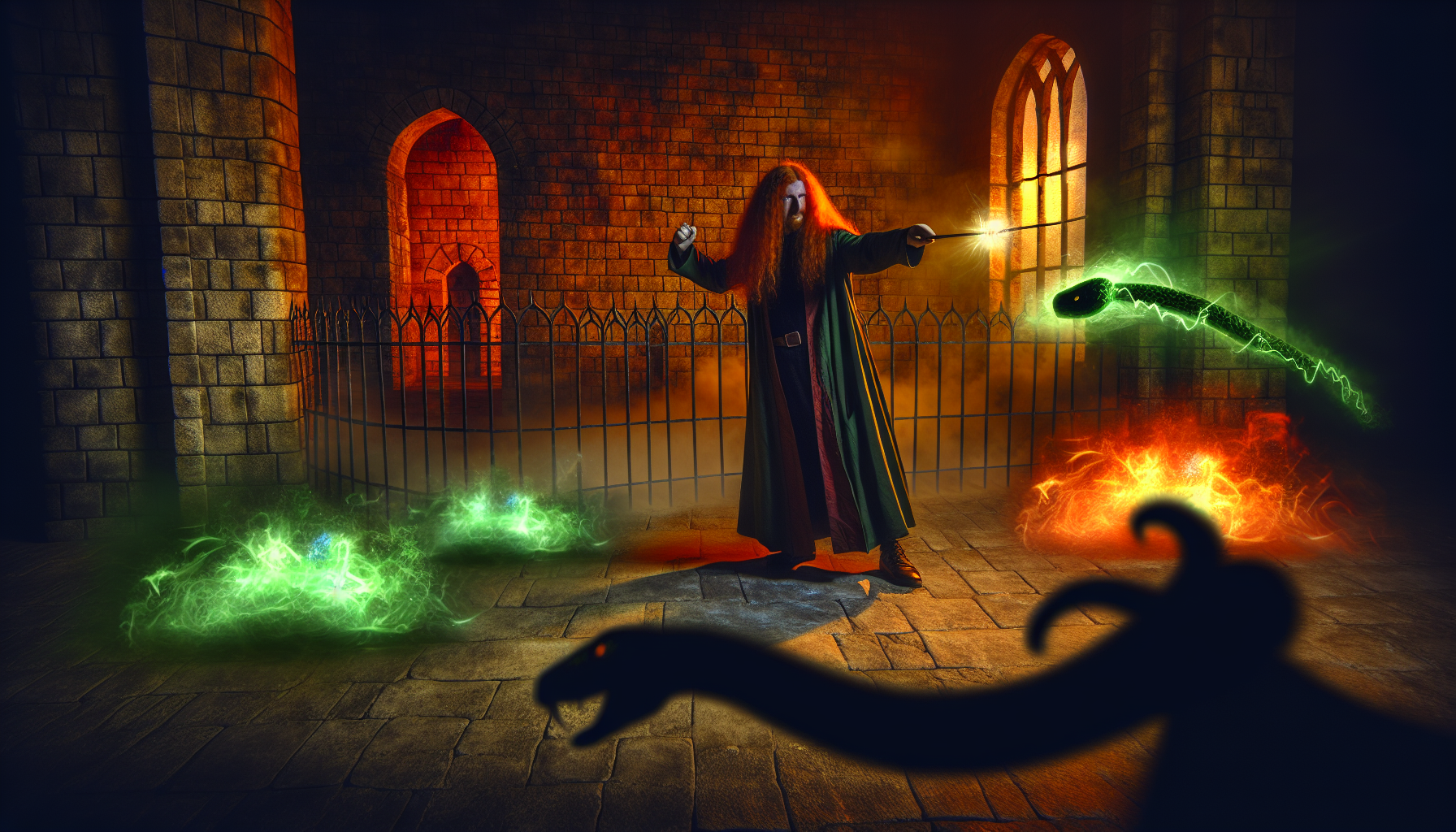
Did Ron Use Avada Kedavra On Nagini In The Deathly Hallows? This question touches upon one of the most feared spells in the Wizarding World: Avada Kedavra. Known as the Killing Curse, it is one of the three Unforgivable Curses and holds significant weight in magical society. It is a spell that causes instantaneous death to its target, signified by a flash of green light, and is famously associated with Lord Voldemort’s reign of terror.
The spell’s characteristics are straightforward yet chilling. When cast, the victim dies instantly without any chance of survival or defense. The green flash that accompanies it is as recognizable as it is feared. This simplicity in its execution makes it a favored tool for dark wizards, yet it is a potent symbol of evil and despair.
The legal and moral implications of using Avada Kedavra are severe. In the Wizarding World, casting any of the Unforgivable Curses is a crime punishable by a lifetime sentence in Azkaban. The moral implications are equally daunting. To use this spell is to take a life without remorse or hesitation, a choice that defines the caster’s character and allegiance.
Instances of Avada Kedavra in the Harry Potter series are numerous and significant. The most notable include the deaths of Harry’s parents, James and Lily Potter, at the hands of Voldemort, and the tragic demise of Cedric Diggory during the Triwizard Tournament. Each instance serves as a haunting reminder of the spell’s lethal nature and the terror it spreads.
Ron Weasley’s Role in the Battle of Hogwarts
Ron Weasley, a central figure in the Harry Potter series, undergoes exceptional character development leading up to the Battle of Hogwarts. Initially seen as the humorous sidekick, Ron matures into a brave and loyal friend, ready to face the dangers that lie ahead. His journey is marked by moments of doubt and courage, ultimately shaping him into a formidable wizard.
During the Battle of Hogwarts, Ron’s actions are pivotal. Alongside Harry and Hermione, he infiltrates the castle and engages in several key battles against Death Eaters. His bravery and quick thinking are evident as he fights to protect his home and loved ones. Ron’s determination is matched by his strategic mind, contributing significantly to the Order of the Phoenix’s efforts.
Throughout the series, Ron uses a variety of spells that showcase his growing proficiency in magic. From the Disarming Charm, Expelliarmus, to more advanced spells like Stupefy and Petrificus Totalus, Ron’s spell repertoire expands with each year at Hogwarts. These spells become vital tools in his fight against dark forces.
Emotionally and psychologically, Ron faces immense pressure during critical moments. The weight of the war and the potential loss of friends and family weigh heavily on him. However, his love for Hermione and his loyalty to Harry provide the emotional anchor he needs to persevere. Ron’s ability to balance his fears with fierce loyalty proves essential in the final battle.
Nagini’s Role in “The Deathly Hallows”
Nagini, Voldemort’s loyal serpent, plays a crucial role in “The Deathly Hallows.” As one of Voldemort’s Horcruxes, she is not only a protective companion but also a key to his immortality. Her existence ties directly to Voldemort’s life force, making her a target for Harry and his allies.
Throughout the book, Nagini interacts with key characters, often serving as Voldemort’s deadly weapon. Her presence is felt during significant moments, such as the ambush at Godric’s Hollow and the infiltration of the Ministry of Magic. Each encounter underscores her lethal nature and the constant threat she poses.
The significance of Nagini’s death cannot be overstated. As a Horcrux, her demise is essential for weakening Voldemort and making him mortal once more. Her death represents a turning point in the battle, symbolizing the diminishing power of the Dark Lord and the hope for victory.
In the final battle, it is Neville Longbottom who ultimately defeats Nagini. Armed with the Sword of Gryffindor, Neville delivers the fatal blow that destroys the Horcrux within her. His act of bravery cements his status as a hero and plays a critical role in the downfall of Voldemort.
The Actual Events: Who Defeated Nagini?
The scene involving Nagini’s death is a climactic moment in the Battle of Hogwarts. As chaos erupts in the castle, Harry and his friends know that the destruction of Nagini is vital. In the midst of the battle, Neville Longbottom rises to the occasion, seizing the opportunity to strike.
Neville’s role in defeating Nagini is a testament to his growth as a character. Once a shy and timid boy, Neville becomes a symbol of courage and resilience. He wields the Sword of Gryffindor with determination, delivering the decisive blow that eliminates the final Horcrux.
The weapon used to kill Nagini, the Sword of Gryffindor, holds a storied history. Imbued with the ability to destroy Horcruxes, the sword appears to those who display true bravery. Its appearance in Neville’s hands marks a moment of destiny, aligning with the qualities of Gryffindor house.
Ron did not use Avada Kedavra on Nagini for several reasons. Firstly, the Killing Curse is an extremely dark magic, requiring a level of malice and intent that Ron does not possess. Moreover, the destruction of a Horcrux requires specific means, such as the Sword of Gryffindor, to ensure its complete eradication. Ron’s role during this moment is to support and fight alongside his friends, each contributing in their unique way to the battle’s outcome.
Conclusion: Myths and Misunderstandings
A common misconception is that Ron played a direct role in Nagini’s defeat using Avada Kedavra. This myth likely stems from the intensity of the battle and the multitude of events occurring simultaneously. Clarifying this narrative is crucial to understanding the contributions of each character.
Each character’s role in the Battle of Hogwarts is vital. While Ron’s actions are instrumental, it is Neville who delivers the final blow to Nagini. This distinction highlights the importance of teamwork and the collective effort required to overcome Voldemort and his Horcruxes.
The defeat of Voldemort and his Horcruxes underscores the power of unity and courage. It is not simply the action of one hero, but the combined efforts of many that lead to victory. This thematic element is a cornerstone of the series, encouraging readers to appreciate the strength found in collaboration.
Readers are encouraged to revisit the scene of Nagini’s defeat to gain a deeper understanding of the characters and their actions. By doing so, they can appreciate the bravery and sacrifice that define this pivotal moment in the Harry Potter series. Through this lens, the significance of each character’s contribution becomes clear, reinforcing the timeless message of friendship and courage.