How Snape Used Avada Kedavra On Dumbledore
The Context Behind Snape’s Actions
How Snape Used Avada Kedavra On Dumbledore is a question that has intrigued fans for years, primarily due to the complex relationship between Severus Snape and Albus Dumbledore. Their bond was built on mutual respect and a shared goal — the downfall of Voldemort. Snape, once a devoted Death Eater, turned to Dumbledore for protection and guidance after realizing the true horror of the dark path he had chosen. Dumbledore, recognizing Snape’s bravery and deep regret, took him under his wing and entrusted him with critical tasks in the fight against Voldemort.
Dumbledore’s knowledge of his impending death, due to the cursed ring that blackened his hand, played a crucial role in orchestrating the events that led to his demise. Understanding that the curse was slowly spreading, Dumbledore sought to die on his own terms, ensuring that his death would serve a greater purpose in the battle against darkness. He confided in Snape, knowing that the Potions Master was one of the few who could carry out his final wish with the necessary resolve.
Snape’s role as a double agent was fraught with danger and tension. He walked the thin line between loyalty to the Order of the Phoenix and maintaining the trust of Voldemort and the Death Eaters. This duality was crucial in gathering intelligence and protecting the wizarding world from within. Snape’s actions were often misunderstood, casting him as a villain in the eyes of many, including Harry Potter, who were unaware of his true allegiance.
The Unbreakable Vow Snape made with Narcissa Malfoy added another layer of complexity to his already perilous existence. Sworn to protect Draco Malfoy, Snape was bound by this unbreakable magical contract to fulfill the promise of keeping Draco safe, even if it meant sacrificing his own life or moral standing. This vow put Snape in a position where he was forced to act against Dumbledore, a man he deeply respected.
Dumbledore’s request for Snape to kill him was not only an act of mercy but also a strategic move. Dumbledore aimed to spare Draco from the burden of murder, which could lead the young wizard further down a dark path. Snape was the only one Dumbledore trusted to carry out this plan with the precision and care it required. This request placed Snape in a moral and ethical dilemma, where he had to weigh his respect for Dumbledore against the necessity of his actions.
The strategic importance of Dumbledore’s death lies in its impact on Voldemort’s downfall. By dying at Snape’s hand, Dumbledore ensured that Voldemort would continue to trust Snape, allowing him to remain a valuable informant within the ranks of the Death Eaters. This trust was vital for the Order, as it provided them with the intelligence needed to counter Voldemort’s plans and ultimately lead to his defeat.
The emotional impact on Snape was profound. Despite his stoic exterior, Snape’s actions were driven by a deep love for Lily Potter and a desire to honor her memory by protecting her son, Harry. This emotional turmoil, combined with the weight of Dumbledore’s death on his conscience, fueled Snape’s motivations and guided his decisions throughout the rest of the conflict.
Understanding Avada Kedavra
Avada Kedavra is known as one of the three Unforgivable Curses in the wizarding world, alongside Imperius and Cruciatus. This curse is infamous for its lethal nature, as it causes instant death without leaving any trace of physical harm. Casting Avada Kedavra requires more than just the incantation; it demands a powerful will and a true intent to kill, making it one of the most feared spells among witches and wizards.
The lethal nature of Avada Kedavra, with no known counter-curse or defense, makes it a formidable weapon. It is characterized by a flash of green light and an immediate effect, with the victim collapsing lifelessly to the ground. This curse has been used throughout history by dark wizards to instill fear and exert control, often leaving the wizarding community feeling vulnerable and powerless.
The historical use of Avada Kedavra in the Wizarding World is rife with tales of power struggles and dark deeds. Most notably, it was the favored spell of Voldemort and his followers, used to eliminate enemies and demonstrate their ruthless dominance. However, the use of this curse is not without its legal and ethical implications. In the eyes of the Ministry of Magic, using Avada Kedavra is a criminal offense, punishable by a life sentence in Azkaban.
Snape’s capability and expertise in the Dark Arts made him uniquely qualified to execute this curse. His deep understanding of dark magic, combined with his skill as a duelist, enabled him to perform Avada Kedavra with the precision and control needed to fulfill Dumbledore’s request. However, Snape’s use of the curse was not born out of malice; it was a necessity driven by circumstance and a promise to Dumbledore.
The difference between using Avada Kedavra out of necessity versus malice is significant. While many dark wizards employ the curse to exert power and instill fear, Snape’s motivations were rooted in a complex web of loyalty, strategy, and emotional conflict. His actions, though misunderstood, were ultimately aimed at preserving the greater good and contributing to the defeat of Voldemort.
The Scene at the Astronomy Tower
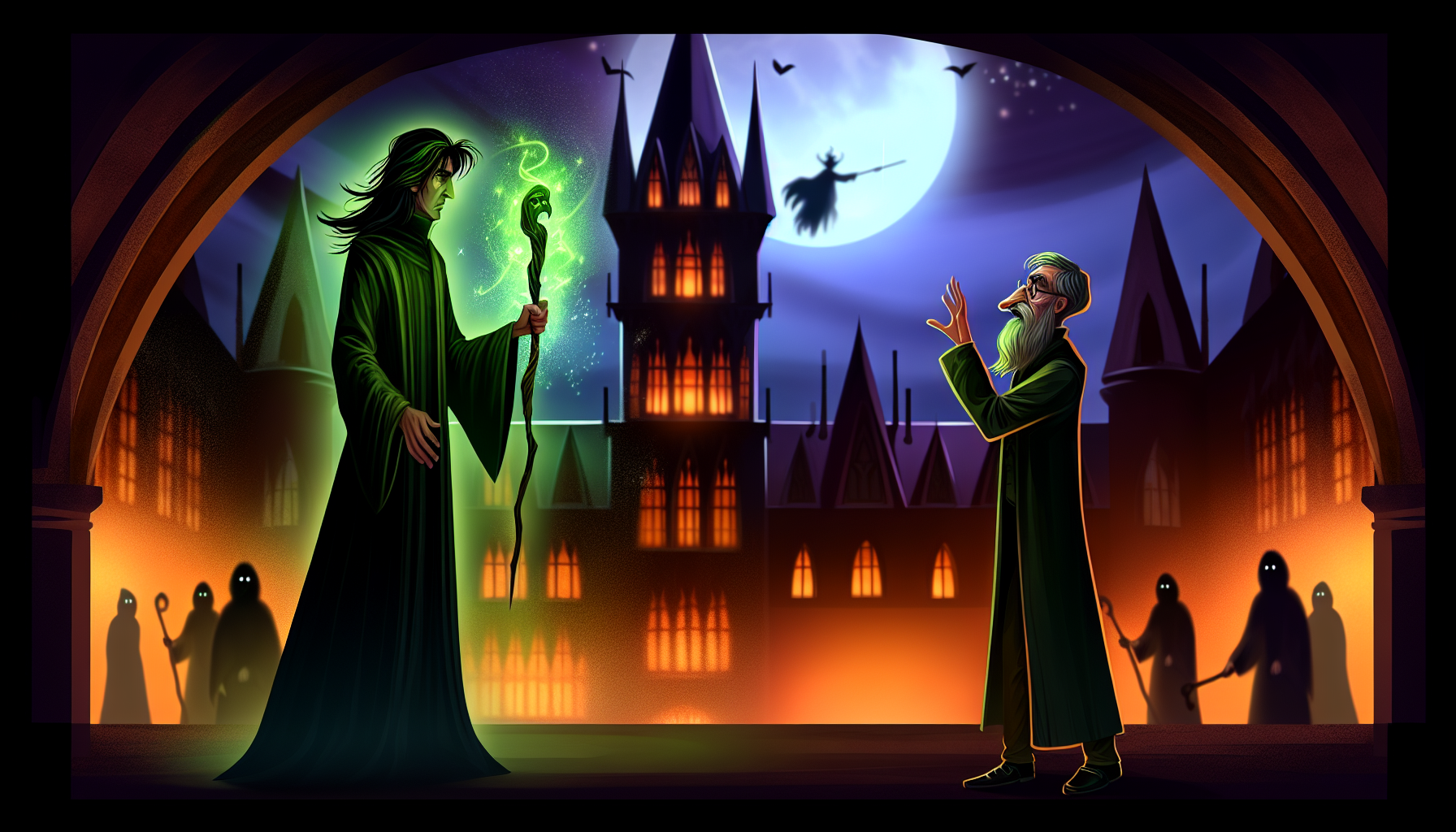
The setting and atmosphere of the Astronomy Tower at Hogwarts were steeped in intrigue and tension. Often a place of quiet reflection and study, the tower became the backdrop for one of the most pivotal moments in the wizarding world. As night fell, the air was thick with anticipation, and the stage was set for the confrontation between Dumbledore and the Death Eaters.
The confrontation began with the arrival of Draco Malfoy, tasked by Voldemort with the impossible burden of killing Dumbledore. Draco, despite his posturing and bravado, was hesitant and conflicted. The enormity of the act weighed heavily on him, and it quickly became clear that he lacked the resolve to carry out the deed.
Severus Snape’s arrival at the Astronomy Tower marked a turning point in the scene. Snape, aware of the plan and bound by the Unbreakable Vow, was forced to intervene. The tension in the air was palpable, with Dumbledore, weakened and cornered, facing his imminent death. Yet, despite the gravity of the situation, Dumbledore remained composed, his eyes meeting Snape’s with an unspoken plea.
The dramatic tension and emotional stakes of the scene reached a crescendo as Snape raised his wand. The internal conflict within Snape was visible, his determination to honor Dumbledore’s request battling against the moral weight of the act. With a swift incantation, the curse was cast, and Dumbledore’s lifeless body fell from the tower, leaving an indelible mark on the hearts of those present.
The reactions of other characters, especially Harry Potter, added layers of complexity to the scene. Hidden and immobilized beneath Dumbledore’s cloak, Harry witnessed the murder with a torrent of emotions — disbelief, anger, and a sense of betrayal. The aftermath of Dumbledore’s death was felt far and wide, sending shockwaves through the Wizarding World and heralding a new era of uncertainty and fear.
The Consequences of Snape’s Actions
The death of Dumbledore had profound consequences for the Order of the Phoenix. As their leader and guiding force, Dumbledore’s loss left a void that was difficult to fill. The Order was thrust into disarray, struggling to regroup and continue the fight against Voldemort without their wise and powerful mentor.
The impact on the Hogwarts community and students was equally significant. Dumbledore had been a beloved headmaster, a symbol of safety and strength. His demise left the students feeling vulnerable and uncertain about the future of their school. The atmosphere at Hogwarts shifted, as fear and mistrust began to creep into the halls that had once been a sanctuary.
Snape’s position and influence as headmaster of Hogwarts marked a turning point in the school’s history. While many doubted his intentions, Snape used his position to subtly protect the students and undermine the Death Eaters’ influence within the school. His actions, though often misinterpreted, were driven by a desire to honor Dumbledore’s legacy and continue the fight against Voldemort from within.
The deepening of mistrust and fear within the Wizarding World was palpable. Dumbledore’s death emboldened Voldemort and his followers, leading to increased aggression and violence. The Death Eaters’ confidence grew, and their plans advanced with renewed vigor, posing an even greater threat to the wizarding community.
Harry Potter’s perception of Snape underwent a dramatic shift following Dumbledore’s death. Believing Snape to be a traitor, Harry’s anger and resentment fueled his determination to defeat Voldemort and avenge Dumbledore. However, subsequent revelations about Snape’s true motivations and sacrifices forced Harry to