9 Horrible Things Dumbledore Did For The ‘Greater Good’

A Young Dumbledore’s Ambition
9 Horrible Things Dumbledore Did For The ‘Greater Good’ is a reflection on some of the most questionable decisions made by one of the most revered figures in the wizarding world. Albus Dumbledore, who would later become the renowned headmaster of Hogwarts, had a complex and often dark past. His early ambition was shaped by an influential friendship with Gellert Grindelwald. This friendship was not just a mere social connection but a meeting of minds, both enchanted by the allure of power and the promise of wizarding dominance over Muggles. Together, they dreamed of a new world order, one where wizards would no longer hide in the shadows.
The pursuit of the Deathly Hallows was central to their vision of power. These legendary artifacts, believed to grant mastery over death, were thought to be the key to their ambitions. The Elder Wand, the Resurrection Stone, and the Invisibility Cloak were more than just objects; they were symbols of ultimate control. In chasing these artifacts, Dumbledore and Grindelwald hoped to establish themselves as the most powerful wizards of their time.
During this period, they also shared an ideology that placed wizards above Muggles. This ideology, which they justified as being for the “greater good,” suggested that wizards could and should rule over non-magical people. Dumbledore’s involvement in this ideology was a significant blemish on his character, revealing a side of him willing to ignore the value of equality and freedom for the lure of supremacy.
The tragic events leading to Ariana’s death were a turning point in Dumbledore’s life. Ariana, Dumbledore’s younger sister, was caught in the crossfire of a duel between Albus, Aberforth, and Grindelwald. The grief and guilt from this incident haunted Dumbledore for the rest of his life, forcing him to reconsider his priorities and the implications of his actions.
Initially, Dumbledore supported the concept of “the greater good” as a justification for his and Grindelwald’s schemes. This belief was rooted in the idea that the ends would justify the means, even if those means were morally questionable. However, Ariana’s death led to a profound change in Dumbledore’s outlook, making him wary of power and its potential to corrupt.
Manipulating Harry’s Path
Dumbledore’s history with manipulation did not end with Grindelwald. Another aspect of his legacy is how he orchestrated Harry Potter’s path. By withholding crucial information about Harry’s destiny, Dumbledore ensured that Harry would face his challenges with limited understanding and preparation. The prophecy concerning Harry and Voldemort was known to Dumbledore long before he shared it with Harry, leaving Harry to navigate his fate largely in the dark.
Guiding Harry to face Voldemort unprepared was part of Dumbledore’s strategy. He believed that Harry’s willingness to face danger head-on would ultimately be a strength. However, this approach placed Harry in numerous life-threatening situations, testing his courage and resolve in ways that bordered on recklessness.
One of the most controversial actions was using Snape’s death to catalyze Harry’s bravery. Dumbledore knew that Snape’s demise would serve as a powerful motivator for Harry, pushing him to take the final steps necessary in defeating Voldemort. This manipulation of events demonstrated Dumbledore’s willingness to sacrifice individuals as pawns in his greater scheme.
Sacrificing Harry as a necessary step in the war against Voldemort was perhaps the ultimate example of Dumbledore’s utilitarian mindset. By allowing Harry to believe that he must die to defeat Voldemort, Dumbledore gambled with Harry’s life as a means to a more significant end, placing the burden of sacrifice squarely on Harry’s shoulders.
Dumbledore’s tendency to ignore more viable ways to protect Harry is another point of criticism. There were alternative strategies that could have shielded Harry from the perils he faced, but Dumbledore’s focus on the broader picture often led him to dismiss these options in favor of more direct confrontations with evil.
The Secrets of the Philosopher’s Stone
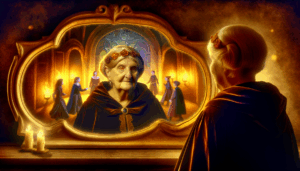
The Philosopher’s Stone was an enchanted object of immense power, capable of granting immortality and unlimited wealth. When it was concealed within the walls of Hogwarts, Dumbledore chose not to disclose the true nature of the Mirror of Erised, which was used as part of the Stone’s protection. The mirror, which shows the deepest desires of one’s heart, was a trap designed to confuse and captivate those who sought the Stone for selfish reasons.
Allowing the Stone to be a target for Voldemort was a deliberate decision on Dumbledore’s part. He knew that the Dark Lord, weakened and desperate, would seek the Stone to regain his full strength. By placing the Stone in a location he knew Voldemort would seek, Dumbledore was baiting his enemy, using the Stone as a lure in a dangerous game of cat and mouse.
This decision placed Harry and his friends in significant danger. The trio – Harry, Hermione, and Ron – found themselves entangled in a web of perilous challenges as they attempted to prevent Voldemort from obtaining the Stone. Each obstacle they faced was a test of their courage and ingenuity, but also a reflection of Dumbledore’s willingness to risk their lives for the sake of his strategic goals.
Using the Stone as a test of character for Harry was another layer of Dumbledore’s plan. By designing the Stone’s protection around Harry’s moral fortitude, Dumbledore was not only safeguarding the Stone but simultaneously assessing Harry’s suitability for the greater challenges ahead. This dual-purpose served Dumbledore’s long-term vision, ensuring that Harry would emerge stronger and more prepared for future battles.
The Formation of the Order of the Phoenix
The Order of the Phoenix was an organization founded by Dumbledore to resist Voldemort and his Death Eaters. In recruiting young wizards for dangerous missions, Dumbledore demonstrated his belief that even the youngest members of the wizarding community had a role to play in the fight against evil. While noble in its intent, this approach meant that many young witches and wizards found themselves in hazardous situations, unprepared for the realities of war.
Keeping critical information from Order members was a common practice within the organization, as Dumbledore often believed that withholding certain details was necessary for the safety and effectiveness of their missions. However, this lack of transparency led to confusion and mistrust among the ranks, undermining the unity that was vital for the Order’s success.
The use of questionable tactics against Voldemort was another aspect of Dumbledore’s leadership. While the Order was committed to defeating the Dark Lord, some of the methods employed under Dumbledore’s guidance skirted the edges of morality, raising ethical questions about the lengths to which they would go for victory.
The risks taken in the name of resistance were immense, with many members facing capture, torture, or even death. Dumbledore’s willingness to accept these risks highlighted his belief in the necessity of sacrifice for the greater cause, though it also drew criticism for the toll it took on those involved.
The impact on families and relationships was profound, as the constant threat of danger strained bonds and tested loyalties. For many, this was a price worth paying, but for others, it was a painful reminder of the cost of war and the personal sacrifices demanded by Dumbledore’s strategies.
Dumbledore’s Endgame
Planning his own death for strategic advantage was one of Dumbledore’s final acts of manipulation. He understood that his time was limited due to a curse inflicted by the Horcrux ring, and he used this knowledge to orchestrate a scenario in which his death would serve a greater purpose. By doing so, he aimed to galvanize the Order and provide Harry with the final pieces of information needed to defeat Voldemort.
Entrusting Snape with his death without full consent is a controversial aspect of Dumbledore’s endgame. While Snape agreed to follow Dumbledore’s plan, the ethical implications of asking someone to kill in cold blood were significant. This manipulation of Snape’s loyalty and sense of duty was a testament to Dumbledore’s willingness to use others as instruments in his overarching plan.
Manipulating key players like Severus Snape and Draco Malfoy was a cornerstone of Dumbledore’s strategy. By positioning Snape as a double agent and guiding Draco’s path, Dumbledore sought to control the narrative and influence the outcome of the war. This level of manipulation demonstrates his masterful ability to strategize but also raises questions about the cost of such intricate machinations.
Using his death to strengthen the resolve of the Order was a calculated move. Dumbledore knew that his passing would leave a void, but he believed it would also inspire others to rise to the occasion and continue the fight with renewed determination. His death was intended to be a rallying point, a catalyst for the Order to push forward despite the odds.
Leaving the wizarding world to face chaos without his guidance was the final risk Dumbledore took. While he laid the groundwork for Voldemort’s defeat, his absence left many scrambling to adapt to a new reality without his leadership. The challenges faced by the wizarding community in the wake of his death underscore the complexity of Dumbledore’s legacy,