7 Slytherins That Weren’t Evil
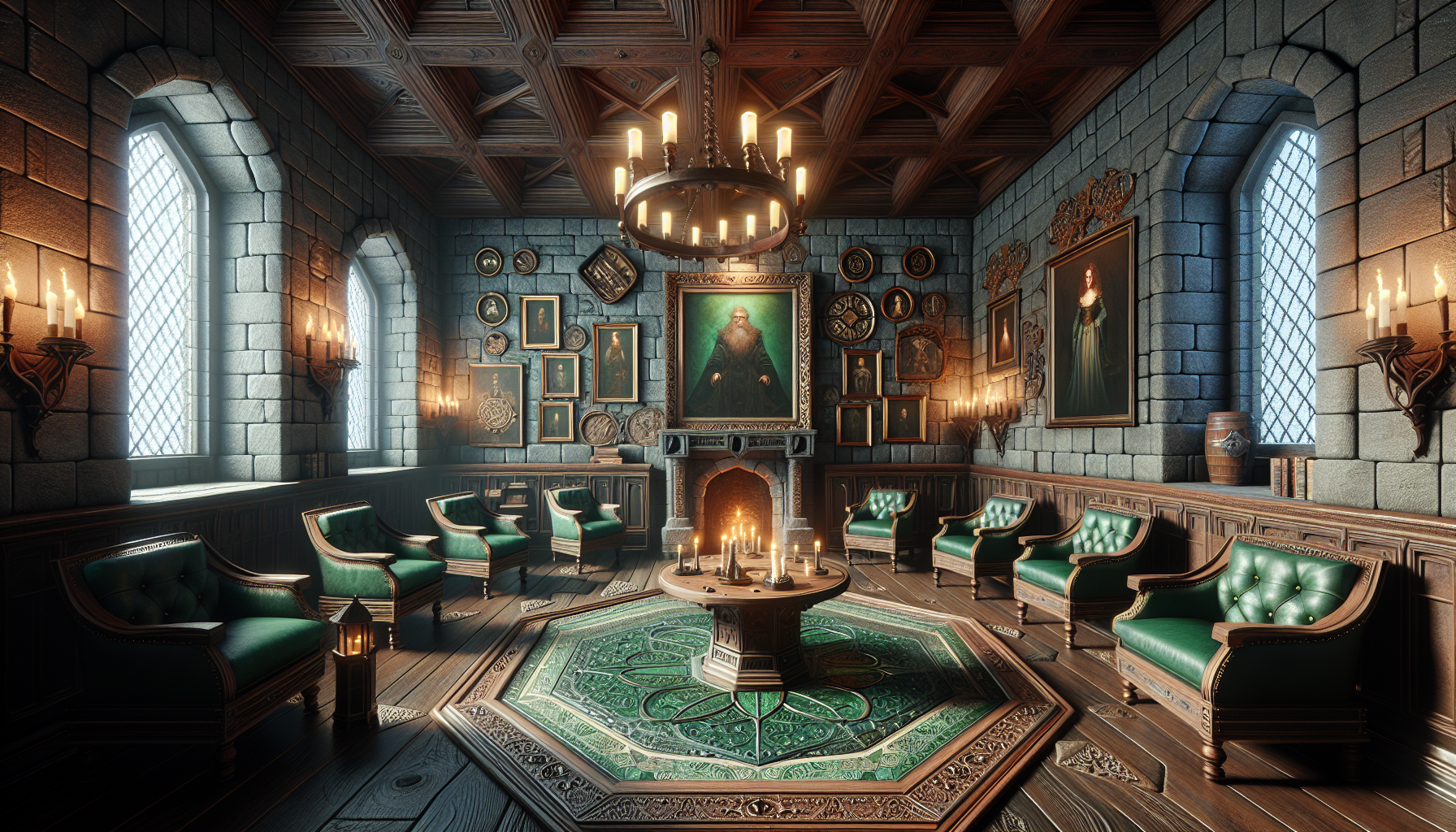
The Misunderstood House: Slytherin
7 Slytherins That Weren’t Evil. Slytherin House at Hogwarts School of Witchcraft and Wizardry is often unfairly labeled as the house of villains and dark wizards. This stereotype is largely due to its association with infamous alumni such as Tom Riddle, also known as Lord Voldemort. However, Slytherin House is much more than a breeding ground for dark magic.
Slytherin values ambition, cunning, and resourcefulness, traits that are not inherently evil but are essential in achieving greatness. These characteristics have led many Slytherins to excel in various fields, demonstrating talent and leadership. The house promotes self-preservation, a quality vital for survival in the often perilous world of magic.
Understanding the actions of individual Slytherins is crucial to dispelling the myths surrounding the house. Not all Slytherins follow a dark path, and many have made significant contributions to the wizarding world. Recognizing these contributions helps to paint a more accurate picture of the house and its members.
Hogwarts plays a pivotal role in shaping young witches and wizards, providing them with the skills and knowledge needed to navigate the magical world. The environment at Hogwarts encourages students to explore their identities and develop their talents, allowing them to leave a lasting impact on the world, regardless of their house affiliation.
Merlin: The Legendary Wizard
Merlin is renowned as one of the greatest wizards of all time, and his association with Slytherin House serves as a testament to the house’s potential for producing remarkable individuals. Often depicted as a wise and powerful figure in both wizarding and Muggle legends, Merlin’s influence is felt throughout the magical world.
He originated many magical practices that continue to be used today, showcasing his innovative spirit and understanding of magic. His contributions to the field of magic are immeasurable, with many spells and potions bearing his name as a mark of respect and admiration.
Merlin’s legacy continues in the Wizarding World, inspiring countless witches and wizards to pursue their magical studies and strive for greatness. His teachings and principles have been passed down through generations, ensuring that his impact remains strong long after his time.
One of Merlin’s most significant achievements was his contribution to the peace between magical and non-magical people. He recognized the importance of coexistence and worked tirelessly to promote understanding and harmony between the two worlds, setting an example for future generations of magical practitioners.
Horace Slughorn: The Influential Mentor
Horace Slughorn is well-known for his extensive network of influential former students, a testament to his ability to recognize and nurture talent. As the head of Slytherin House during his time at Hogwarts, he played a crucial role in shaping the futures of many young witches and wizards.
Slughorn appreciates talent and ambition, often surrounding himself with those he believes will achieve great things. His exclusive “Slug Club” provided opportunities for promising students to network and connect with powerful figures in the magical world.
During the Second Wizarding War, Slughorn played a crucial role in the fight against Voldemort. His knowledge of Horcruxes, although initially withheld, eventually proved invaluable in Voldemort’s downfall. His decision to return to Hogwarts to teach Potions once again demonstrated his commitment to education and the development of young magical minds.
His return to Hogwarts marked a significant moment in the war effort, as it allowed him to impart his knowledge and experience to a new generation of witches and wizards, ensuring that they were well-equipped to face the challenges ahead.
Andromeda Tonks: The Courageous Rebel
Andromeda Tonks, born into the prestigious Black family, displayed immense courage by defying her family’s expectations and marrying a Muggle-born wizard, Ted Tonks. As a result, she was disowned by her family, but her decision proved that family ties do not dictate character.
Her choice to embrace love over bloodlines demonstrated her strength and conviction, qualities that she passed on to her daughter, Nymphadora Tonks. Nymphadora, known for her bravery and dedication to the Order of the Phoenix, inherited her mother’s courage and determination.
Andromeda’s actions during the First and Second Wizarding Wars further solidified her reputation as a courageous rebel. Despite the loss of her husband and daughter, she remained steadfast in her opposition to Voldemort and his followers, showing resilience and strength in the face of adversity.
Her story serves as a reminder that true bravery often involves standing up for one’s beliefs, even when it means going against one’s family or enduring personal sacrifice.
Regulus Black: The Unsung Hero
Regulus Black, initially a follower of Voldemort, eventually turned against the Dark Lord in a bid to stop his reign of terror. His journey from Death Eater to secret hero is a testament to the complexity of Slytherin House and its members.
Secretly, Regulus made a courageous decision to retrieve one of Voldemort’s Horcruxes, a locket hidden in a cave protected by dark magic and enchantments. This daring mission ultimately cost him his life, but his sacrifice played a vital role in Voldemort’s eventual defeat.
Demonstrating bravery and moral courage, Regulus’s actions are a testament to the capacity for change and redemption, even for those who have walked down a dark path. His story is one of quiet heroism, highlighting the importance of individual choices in shaping one’s destiny.
Regulus’s legacy serves as a reminder of the power of conscience and the impact of selfless acts, reinforcing the notion that even those with a troubled past can choose to make a difference.
Severus Snape: The Complex Protector
Severus Snape was initially perceived as an antagonist, mostly due to his stern demeanor and complex relationship with Harry Potter. However, beneath his seemingly cold exterior lay a deeply loyal and courageous individual.
Snape worked as a double agent for Dumbledore, risking his life to gather crucial intelligence on Voldemort and his Death Eaters. His role as a spy was vital to the Order of the Phoenix’s efforts to combat the Dark Lord’s forces.
His love for Lily Potter, Harry’s mother, shaped his motivations and actions throughout his life. This profound love drove him to protect Harry, even when it meant enduring great personal risk and sacrifice.
Ultimately, Snape’s actions contributed to Voldemort’s defeat, cementing his place as a complex protector and a key figure in the fight against darkness. His story is a reminder that appearances can be deceiving and that true loyalty often lies beneath the surface.
Narcissa Malfoy: The Protective Mother
Narcissa Malfoy, often overshadowed by her husband Lucius and sister Bellatrix, was a Slytherin driven by a fierce loyalty to her family. Her actions during the Battle of Hogwarts demonstrated her true character and priorities.
Despite her family’s involvement with Voldemort and the Death Eaters, Narcissa ultimately chose loyalty to her family over ideology. Her decision to lie to Voldemort about Harry’s death, in order to protect her son Draco, was a pivotal moment in the battle.
Demonstrating compassion and bravery, Narcissa’s actions helped save Harry Potter, contributing to the eventual defeat of the Dark Lord. Her story highlights the power of maternal love and the lengths a mother will go to protect her child.
Narcissa’s choices remind us that even those who appear aligned with darkness can possess a deep sense of love and morality, often leading to unexpected acts of heroism and courage.