10 Most Powerful Wizarding Abilities In Harry Potter
Mastering the Art of Spellcasting
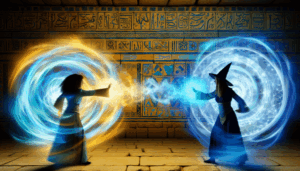
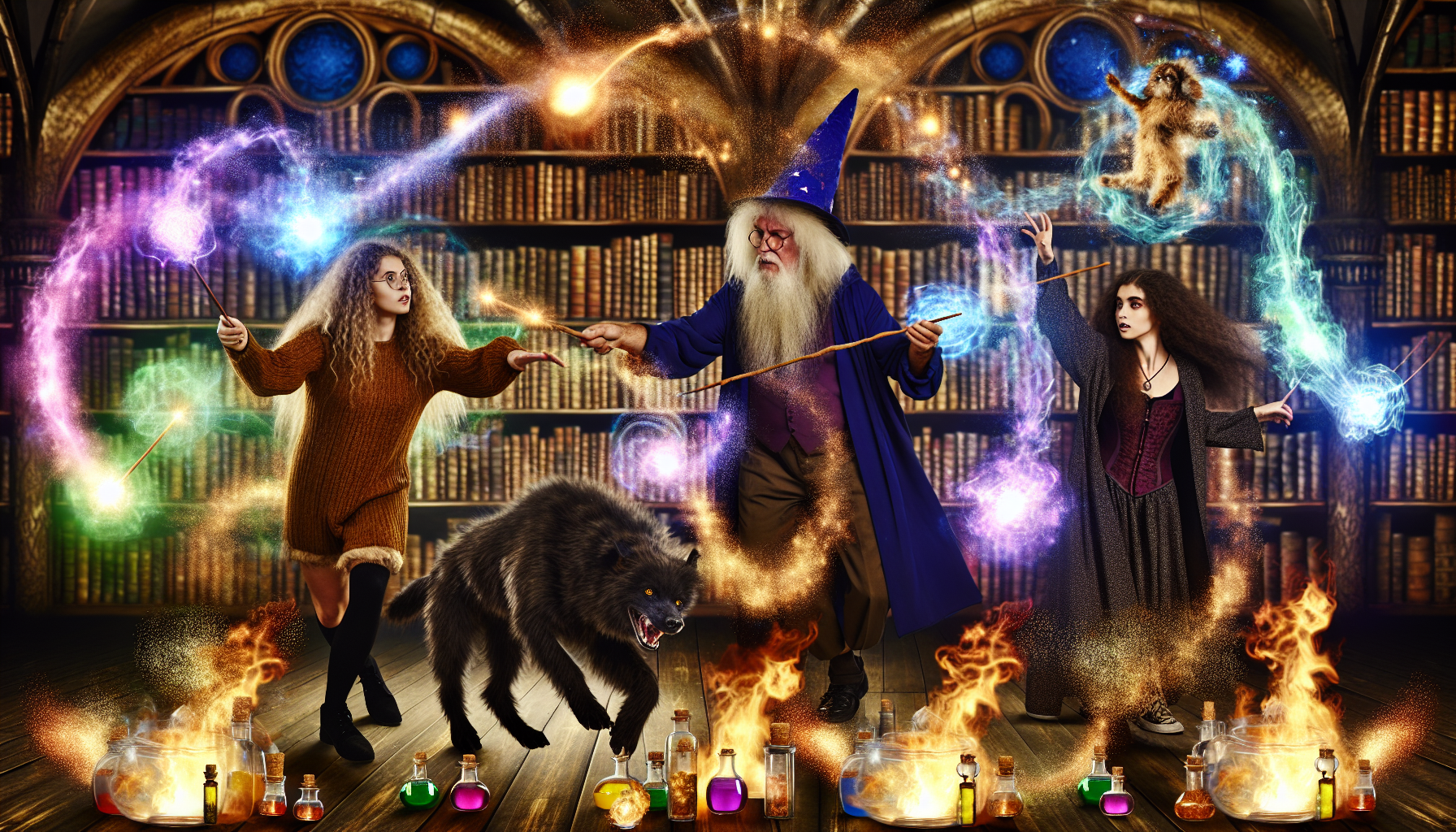
10 Most Powerful Wizarding Abilities In Harry Potter are best exemplified by the mastery of spellcasting, a cornerstone of magical practice. Spellcasting is not just a flick of the wand; it’s an art that requires both skill and precision. It is through the wand that wizards and witches channel their magical abilities, making wand mastery crucial for effective spellcasting. The bond between a wizard and their wand is deeply personal, often reflecting one’s personality and strengths.
Among the myriad of spells in the wizarding world, a few stand out for their significance. “Expelliarmus,” the Disarming Charm, is famously used by Harry Potter and embodies his non-violent approach. “Avada Kedavra,” the Killing Curse, is feared for its deadly power, representing the ultimate dark magic. “Expecto Patronum” is a powerful protective spell used to ward off Dementors and is a testament to the caster’s inner strength and positive memories.
Intent and concentration are paramount to effective spellcasting. A wizard’s success in casting a spell depends greatly on their ability to focus their mind and harness their intent. Without the right mindset, even the most skilled wizard can falter. The power of a spell is not just in the words spoken but in the will of the caster.
Famous spellcasters like Hermione Granger and Albus Dumbledore have set benchmarks for magical prowess. Hermione’s unparalleled dedication to her studies and Dumbledore’s profound wisdom and experience exemplify how knowledge and skill can elevate one’s spellcasting abilities to extraordinary levels.
Different wands can significantly affect spell performance. The core materials, such as phoenix feathers, dragon heartstrings, or unicorn hairs, each carry unique properties that influence the wand’s behavior and compatibility with its owner. The type of wood can also impact the wand’s effectiveness, with some woods being more suited for specific magical practices.
Latin and ancient languages are deeply embedded in the incantations of spells. The use of Latin provides a sense of tradition and continuity within the magical community. Ancient languages add a layer of complexity, often enhancing the power and precision of a spell. Understanding these languages can be a significant advantage for any aspiring spellcaster.
The Enchantment of Potions
Potion-making is an intricate and demanding discipline within the wizarding world. The complexity and precision required in brewing potions are akin to a delicate dance, where the slightest misstep can lead to unforeseen results. Potion-making demands patience, attention to detail, and a deep understanding of magical properties.
The Polyjuice Potion and Felix Felicis are among the most powerful potions known. The Polyjuice Potion allows the drinker to assume the appearance of another person, a transformation that requires meticulous preparation and rare ingredients. Felix Felicis, known as “liquid luck,” temporarily grants the drinker extraordinary luck, making it highly coveted and carefully rationed.
Ingredients play a crucial role in the effectiveness of potions. Each ingredient brings its own magical properties to the brew, and understanding these properties is essential for successful potion-making. The synergy between ingredients can either amplify the potion’s effects or render it useless.
Severus Snape, a master of potion-making, exemplifies the influence a skilled practitioner can have in this field. His expertise and innovation have contributed significantly to the advancement of potion-making techniques. Snape’s knowledge and skill are legendary, setting a high standard for aspiring potion masters.
The art of brewing has a profound effect on the wizarding world. Potions can heal, transform, and even alter reality, making them a vital aspect of magical life. The ability to brew a potion that can change one’s fate or perception underscores the power and potential of this magical craft.
Potions have the ability to alter both reality and perception, providing wizards with tools to navigate and manipulate their environment. This power comes with great responsibility, as the misuse of potions can have dire consequences.
The Intricacies of Legilimency and Occlumency
Legilimency, the art of reading minds, is one of the most fascinating and challenging abilities in the wizarding world. This powerful skill allows a wizard to delve into the thoughts and memories of others, uncovering secrets hidden deep within the mind. Mastering Legilimency requires skill, patience, and ethics, as it involves navigating the delicate terrain of another’s consciousness.
Occlumency is the defensive counterpart to Legilimency, designed to protect one’s thoughts from intrusion. This technique is essential for those who wish to safeguard their minds from unwanted penetration. Occlumency requires a high degree of mental discipline and control, making it a challenging but rewarding skill to master.
The significance of mind magic in the Harry Potter series cannot be overstated. It plays a crucial role in the battle between good and evil, with key characters employing these skills in their struggles. The ability to protect one’s mind or gain insight into another’s can be a decisive factor in the outcome of conflicts.
Severus Snape and Voldemort are among the key practitioners of mind magic. Snape’s mastery of Occlumency is instrumental in his role as a double agent, while Voldemort’s prowess in Legilimency underscores his formidable power and threat.
Emotions and willpower are critical to the success of both Legilimency and Occlumency. A strong emotional state can either bolster one’s defenses or provide an opening for intrusion. Willpower is essential for maintaining control and focus in the face of mental challenges.
The ethical implications of mind manipulation are profound. Legilimency, in particular, raises questions about privacy and consent, as it involves probing into the very essence of a person’s being. Balancing the power of mind magic with ethical considerations is a key challenge for practitioners.
The Mysteries of Animagus Transformation
Becoming an Animagus is a complex and challenging process that requires dedication and skill. The transformation allows a wizard to take the form of an animal, a feat that is both impressive and useful. However, the journey to becoming an Animagus is fraught with challenges, requiring the individual to undergo a rigorous and often dangerous transformation process.
Famous Animagi, such as Sirius Black and Professor McGonagall, have demonstrated the versatility and advantages of this ability. Sirius’s ability to transform into a dog provided him with protection and anonymity, while McGonagall’s transformation into a cat embodies her keen intelligence and insight.
Animal transformation offers both benefits and limitations. While it provides the ability to move undetected and access areas otherwise off-limits, it also comes with inherent risks and restrictions. An Animagus must maintain control to avoid losing their human identity.
The differences between Animagi and other shape-shifters, like Metamorphmagi, are distinct. Unlike Animagi, who are limited to one specific animal form, Metamorphmagi can change their appearance at will. The choice of animal for an Animagus is deeply personal and reflects the individual’s inner nature.
Legal considerations and registration requirements exist to ensure the responsible use of Animagus transformations. The Ministry of Magic mandates that all Animagi register their ability to prevent misuse and maintain order within the magical community.
Magical creatures play a vital role in the wizarding world, offering insights into the natural world and its magical properties. The connection between wizards and magical creatures is a testament to the wonder and diversity of the magical realm.
The Power of the Patronus Charm
The Patronus Charm is a powerful defensive spell used to combat Dementors, creatures that feed on happiness and can induce despair. The ability to conjure a Patronus is a testament to a wizard’s strength and emotional resilience. A Patronus serves as a shield, warding off Dementors and providing hope in the face of darkness.
Patronuses take different forms, each unique to the wizard who conjures it. These forms are often symbolic, reflecting an aspect of the caster’s personality or a significant relationship. The meaning behind a Patronus form provides insight into the individual’s character and inner strength.
Emotions play a crucial role in the strength of a Patronus. The charm draws on positive emotions and memories, requiring the caster to focus on their happiest moments. The ability to summon such emotions under duress is a true test of a wizard’s fortitude.
Harry Potter’s connection to his Patronus is unique and profound. His ability to produce a corporeal Patronus, in the form of a stag, demonstrates his exceptional skill and resilience. The stag is a symbol of his father’s spirit and courage, providing Harry with both strength and comfort.
The distinction between corporeal and non-corporeal Patronuses is significant. A corporeal Patronus takes on a specific animal form and is a mark of advanced magical ability, while a non-corporeal Patronus appears as a mere wisp of light, offering less protection but still effective in dire situations.
The history and development of the Patronus Charm is a testament to the evolution of magical practice. Over time, wizards have refined the charm, expanding its capabilities and understanding its depths. The Patronus Charm remains one of the most revered and widely taught spells in the wizarding curriculum, embodying the power of hope and love in the face of darkness.